
Last updated November 22, 2026
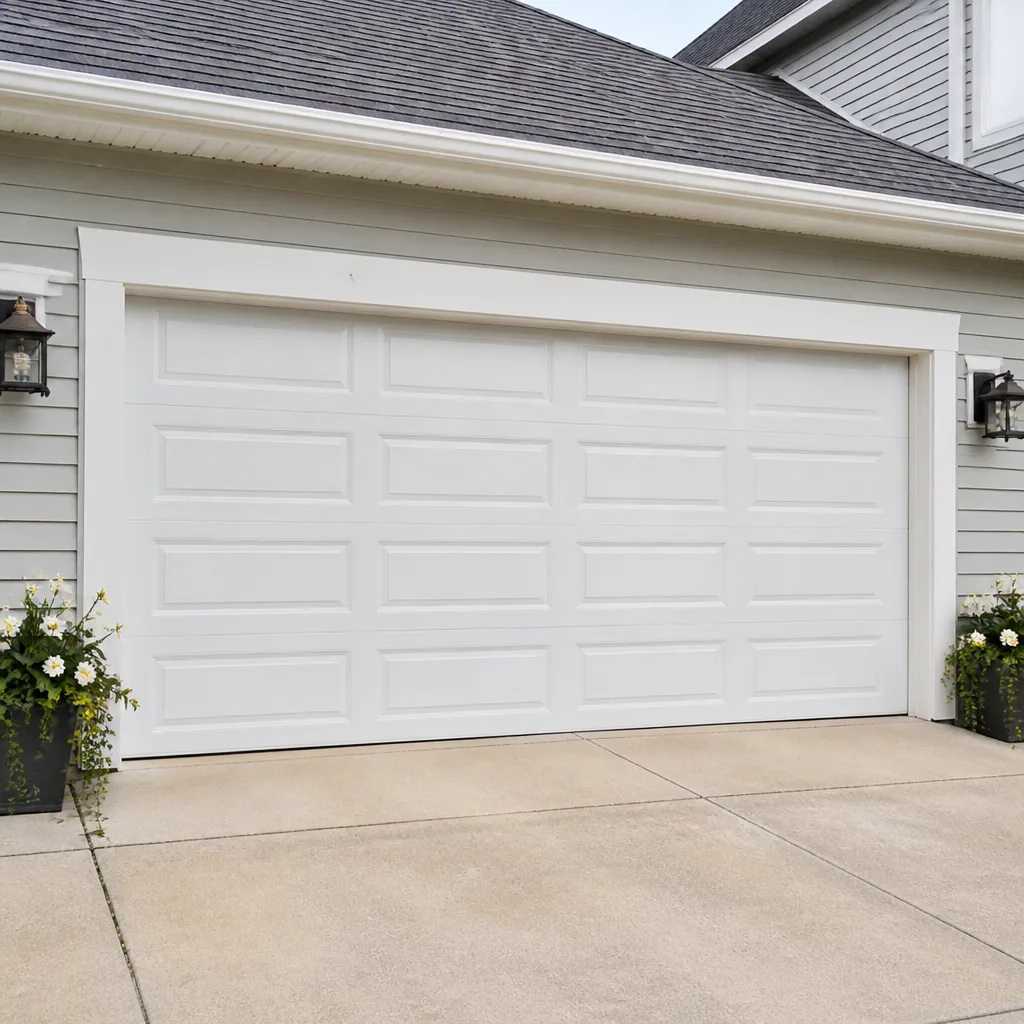 Raised-panel steel
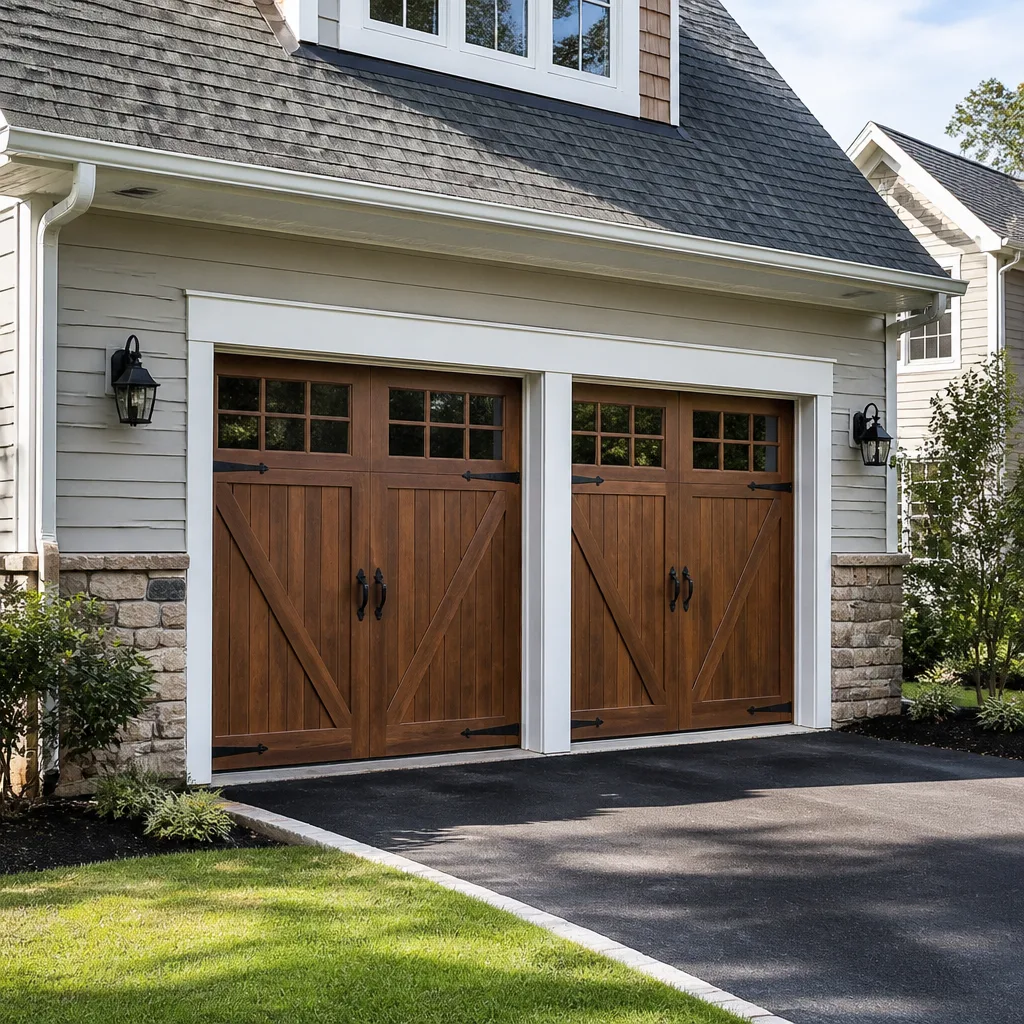 Carriage house
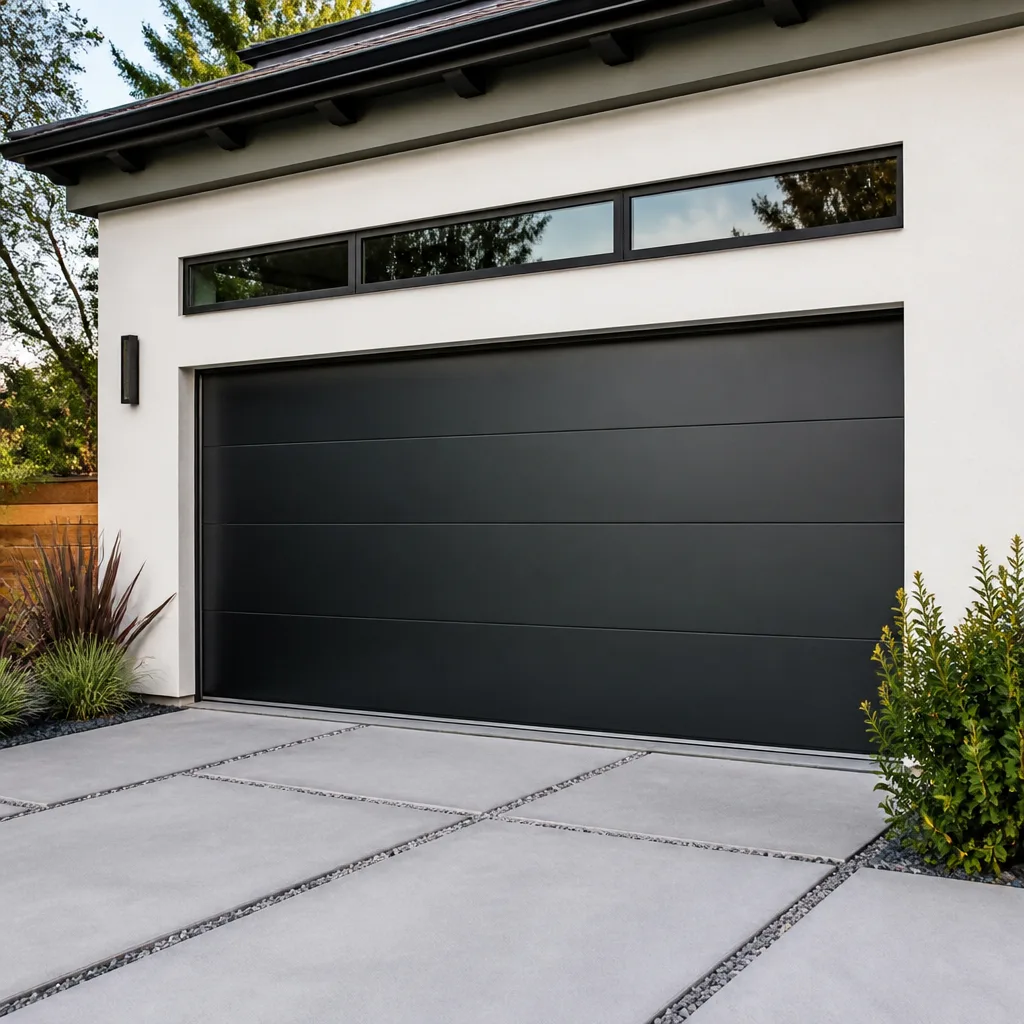 Modern flush
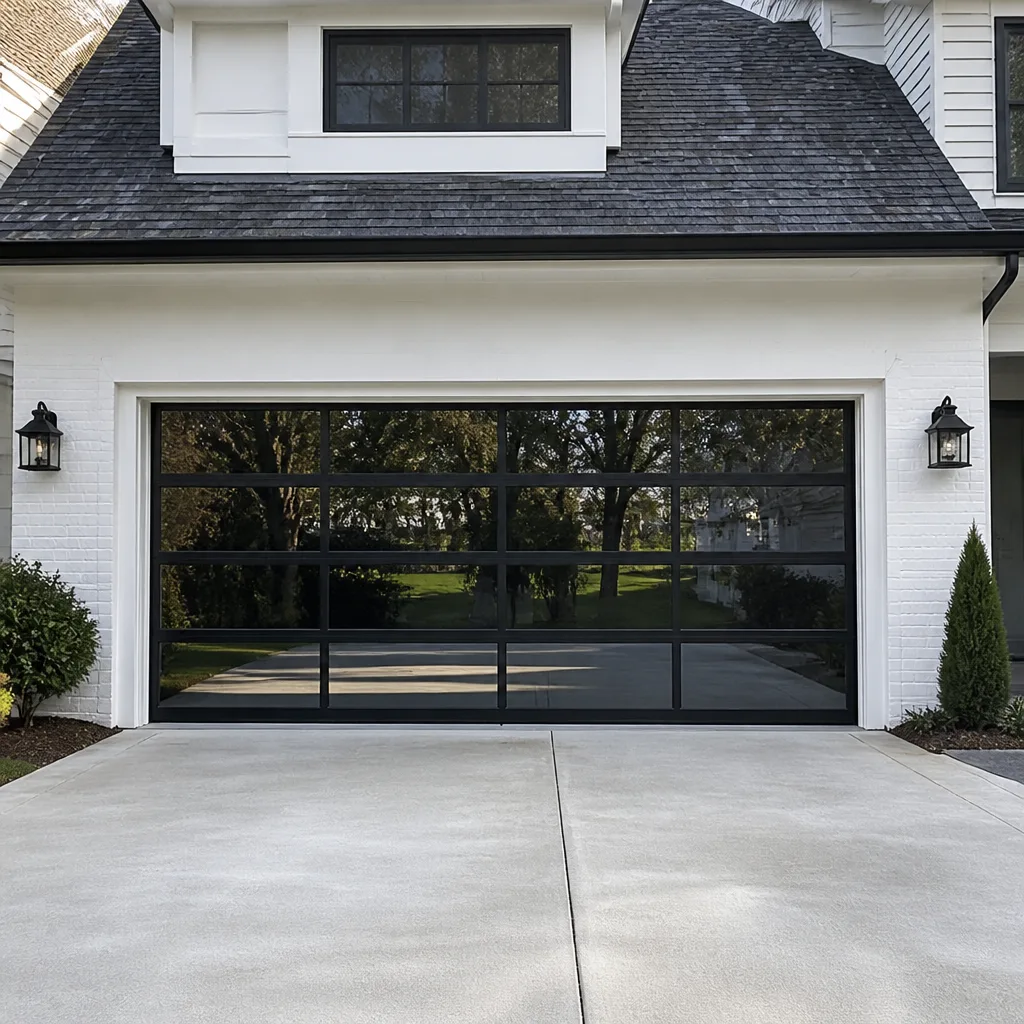 Full-view glass
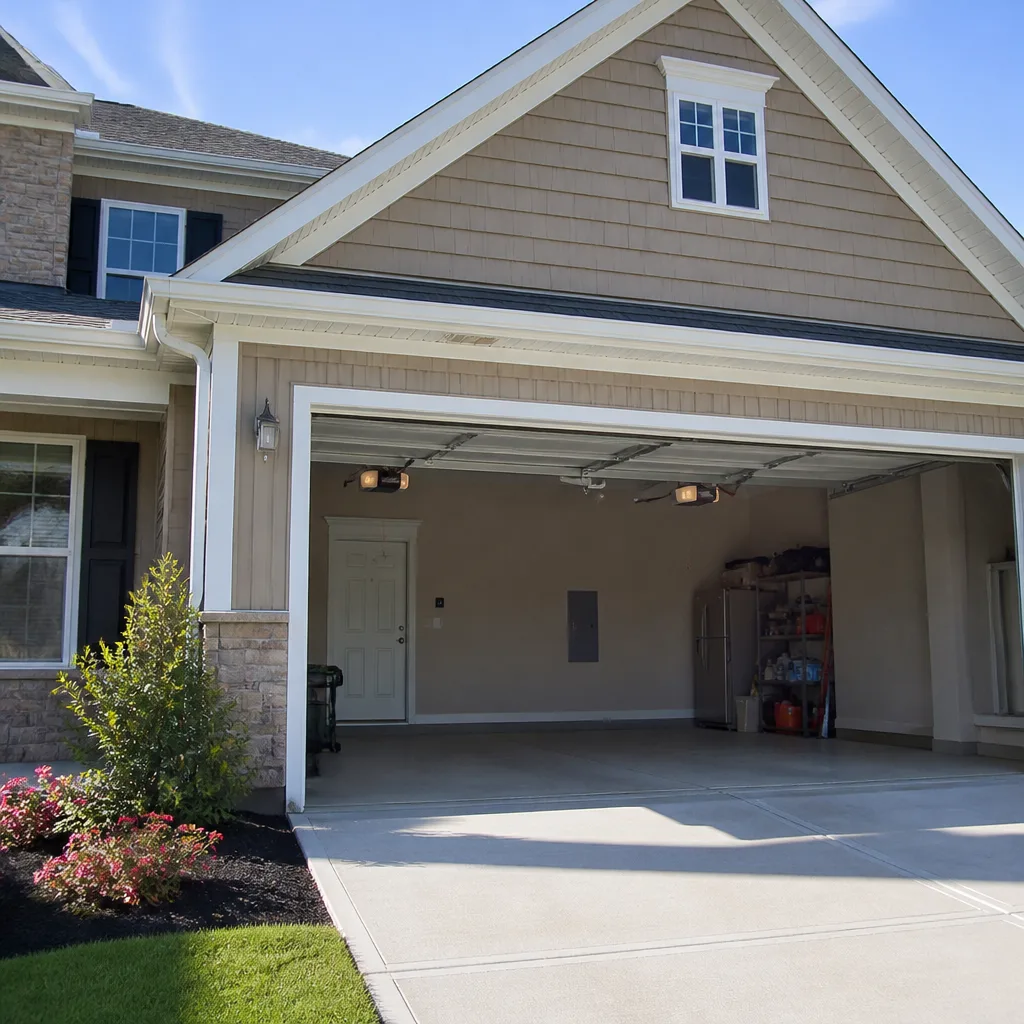 LiftMaster openers
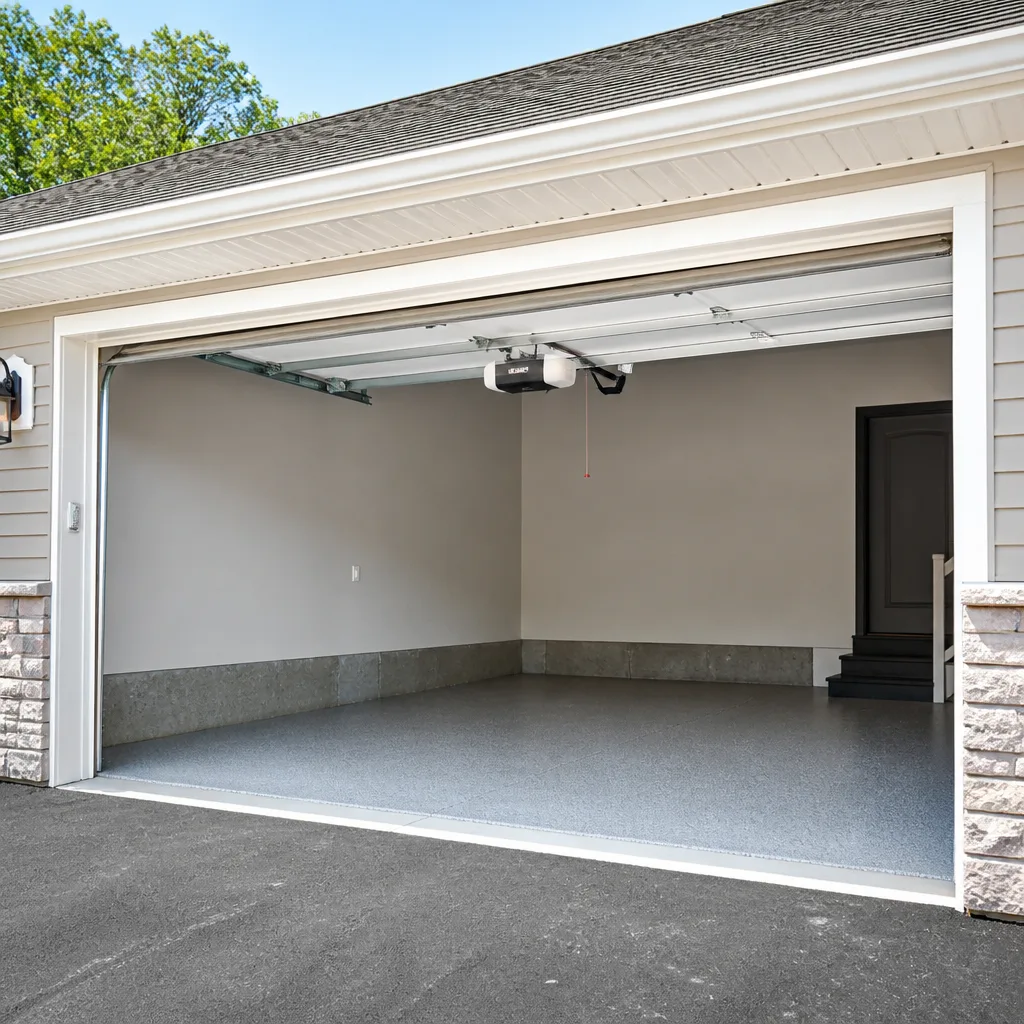 Chamberlain openers
Full 25-point door and opener safety check with every visit - springs, cables, rollers, tracks, and your LiftMaster or Chamberlain opener included
You get a price before we start. It does not change when the pro arrives.
Get your free estimateGarage Door Warning Signs: A Titusville Homeowner’s Reference Guide
A garage door that hesitates for two seconds before moving isn’t “just getting older” – it’s describing a specific problem in mechanical language. Most homeowners don’t know how to translate it. They wait for the door to stop dead, and by then a cheap repair has turned into a bigger one. The truth is that garage doors almost never fail without warning. They grind, they pop, they reverse, they slow down, and each of those signals points to a different component that’s telling you it needs attention. This guide is a reference you can come back to: what each sound and visual cue means, which warnings are urgent and which can wait, and how Titusville’s humidity changes what you should be watching for.
Quick Answer
Garage door warning signs fall into two categories: urgent (stop using the door and call for same-day help) and monitored (schedule service within about two weeks). Urgent signs include a door that reverses without an obstruction, a snapped or visibly stretched spring, frayed cables, or a door that slams shut. Monitored signs include grinding, squealing, rust streaks on panels, a remote that works only up close, and an opener that responds slowly. Paying attention to these early warnings is how Titusville homeowners avoid a door that quits entirely.
Styles & brands we work with
- Raised-panel steel
- Carriage house
- Modern flush
- Full-view glass
- LiftMaster openers
- Chamberlain openers
Table of Contents
- What the Sounds Are Telling You
- Visual Warning Signs on the Hardware Itself
- How Titusville Humidity Accelerates Warning Signs
- Urgent vs. Monitored: Which Warnings Require Same-Day Attention
- Opener Behavior Changes and What They Diagnose to
- Seasonal Checks for Brevard County Homes
- Common Mistakes to Avoid
- When to Call a Professional
What the Sounds Are Telling You
Your ears are the fastest diagnostic tool you own. A garage door makes a predictable set of sounds when it’s healthy, so any new noise is information. Here in Titusville, where humidity is a constant, the sounds that develop slowly over weeks are often the ones homeowners stop noticing because they creep in gradually. Here’s how to translate the four most common noises.
Grinding usually means the door’s moving parts have lost lubrication or a roller has worn flat and is dragging along the track. Grinding that appears suddenly and is louder on one side often points to a bent track or a failing bearing plate. On our Garage Door Repair Titusville service calls, grinding is one of the most common complaints, and it’s usually a sign that regular lubrication has been skipped.
Popping is the popping of a torsion spring under load. It can also mean a loose hinge or a roller that’s jumped its track. If you hear a single, loud pop followed by the door not moving at all, treat it as urgent – that’s often a spring that has just broken.
Rattling points to loose hardware: hinge screws backing out, bolts on the track brackets, or a torsion tube that’s working loose from its center bearing. Rattling rarely means immediate danger, but left alone it accelerates wear on everything bolted to the door.
Squealing is metal-on-metal contact that needs lubrication or a worn roller replaced. Squealing that persists after a proper lube of hinges and rollers usually means a bearing is failing and the hardware needs a technician’s eye.
Visual Warning Signs on the Hardware Itself
Sound gets your attention, but the hardware above your head tells the fuller story. Get in the habit of scanning the springs, cables, and track every month or so – from the ground, never up close with your hands. These are the visual signals worth learning.
- A gap in a torsion spring coil. A torsion spring is wound tight; if you can see a visible gap between the coils, the spring has stretched or is about to fail. That’s a warning to stop using the door and call for help.
- Frayed or worn cables. Cables run alongside the door and carry the weight. Any fraying, kink, or loose strand is urgent – a snapped cable can whip with force.
- Rust streaks running down door panels. Streaks often start at the spring above and drip down. A corroded spring is a weakened spring.
- A door that sits crooked. If one side rests lower than the other while closed, a spring or cable has lost tension, or the track has shifted.
- Rollers that wobble or look flat. Worn steel or nylon rollers become flat on one side and cause the door to jolt as it moves.
- A bent or misaligned track. Tracks that are dented or pulled away from the frame are a sign the door has been struck or the hardware has shifted.
If any of these appear, use our garage door repair team to get the hardware inspected before the door moves again. Springs and cables store a lot of force, and they’re not something to diagnose with your hands.
How Titusville Humidity Accelerates Warning Signs
Titusville’s air stays warm and humid for most of the year, and that has a direct effect on your garage door hardware. Humidity works on metal slowly and quietly. A spring that would last many years in a dry climate can rust from the inside out here, and the rust you spot on the door panel above is often the first visible clue that the spring up top is corroding.
Why it matters: a rusted torsion spring doesn’t just look bad – it loses tension unevenly, which loads the opener and cables harder and shortens their life too. Rollers and hinges are also vulnerable. Steel rollers rust and seize; hinges stiffen. That’s why a monthly check and regular lubrication go further in Titusville than they would in a drier place.
The door itself takes the humidity too. Panels can absorb moisture at the edges, and a wood or steel door with poor weatherstripping lets damp air into the tracks. Keeping the tracks clean and the bottom seal intact keeps moisture out of the mechanical parts.
A useful habit for Titusville homeowners: after the rainy season, walk around the inside of the garage and look up. Rust streaks, a chalky residue on the spring, and stiff hinges are your early warning that humidity has been busy. Address them before they turn into a snapped spring or a failed opener.
Urgent vs. Monitored: Which Warnings Require Same-Day Attention
Not every warning sign is a same-day emergency, and knowing the difference saves money and stress. Here’s the split we use in the field.
Urgent – stop using the door and call now:
- A loud pop followed by the door not moving (broken spring)
- A door that reverses on its own with nothing in its path
- A frayed or snapped cable
- A door that slams down or won’t stay up
- Visible gap in a torsion spring or a spring hanging loose
- The door stuck open with no way to secure it
Monitored – schedule service within about two weeks:
- Grinding or squealing that appears during travel
- An opener that responds slowly or hesitates
- A remote whose range has dropped noticeably
- Rattling hardware or loose hinges
- Rust streaks and stiff rollers
- A door that’s become noticeably noisier over weeks
When the urgent list describes your door, safety comes first. Springs and cables are under high tension and can injure a person who tries to handle them. Keep the door closed if you can, keep children and pets clear, and call a trained technician. Our garage door spring repair service is built around this – torsion and extension springs are handled by technicians who know how much force is wound up in that coil. If the door is stuck open and poses a security risk, that’s what our emergency garage door service exists for. We answer 24/7, and with fast dispatch from 7am to 7pm, Sunday through Friday, we can get a technician out when the door can’t wait.
Opener Behavior Changes and What They Diagnose to
Your opener is the brain of the system, and it talks to you through its behavior. When it starts acting differently, the pattern usually points to a specific cause. We work on LiftMaster, Chamberlain, Genie, Craftsman, and other common opener brands, so the behavior-to-cause map below reflects what we see most often.
- Delayed response when you press the remote. Often a weakening battery in the remote, or a logic board beginning to fail. If a fresh battery doesn’t help, the opener needs a look.
- The door reverses without an obstruction. Likely the safety sensors are misaligned, dusty, or the sensitivity setting is off. In Titusville, humidity can fog or film the sensor lens – a quick wipe often helps, but repeated reversing needs diagnosis.
- Reduced remote range. Interference from a new smart device, a weakening remote, or an aging receiver. If your neighbor’s opener has started responding to your remote, radio interference is likely the culprit.
- The opener runs but the door doesn’t move. A stripped gear or a broken drive belt. The motor turns but nothing engages.
- The opener strains or the door jerks. Often not the opener at all – a failing spring or a binding track is loading the motor. Fix the spring before the opener fails too.
- The door won’t open from the wall control but works from the remote. Usually a wiring or wall-control issue, not the motor itself.
If your Chamberlain or Genie has started doing one of these, it’s usually a quick diagnosis. For more on openers specifically, see our garage door opener repair service.
Seasonal Checks for Brevard County Homes
Titusville’s weather doesn’t push your door through the extremes of northern states, but it does have a rhythm worth respecting. The humid season is when rust and stiffness creep in, and the drier months are a good time to catch up on lubrication. Here’s a short seasonal routine that keeps you ahead of the warning signs.
- Start of the humid season: Lubricate hinges, rollers, and the torsion spring with a garage-door-rated lubricant. Wipe down the spring and check for rust.
- Mid-season: Test the auto-reverse safety feature – lay a small board in the door’s path and confirm the door reverses on contact. Check the sensors are clean and aligned.
- After heavy rain: Look up at the springs and cables for fresh rust streaks. Check the bottom seal for cracks that let moisture in.
- Dry months: Tighten loose hinge and track bolts. Check roller wear and replace any flat or wobbly rollers.
- Any time: Watch for new sounds and reduced remote range. Note when they started – it helps the technician enormously.
A door from Clopay or Amarr that’s properly maintained handles this climate well. It’s the skipped maintenance that turns a light repair into a bigger one.
Common Mistakes to Avoid
- Assuming the noise is just “old age.” A grinding door isn’t aging gracefully – it’s telling you a roller, bearing, or spring needs attention. Waiting for it to fail makes the repair costlier.
- Trying to fix a torsion spring yourself. These springs hold enough stored force to cause serious injury. Springs and cables are a technician’s job, not a weekend project.
- Ignoring a door that reverses on its own. That’s a safety device misbehaving, and it can crush or trap. Diagnose it right away.
- Skipping lubrication through the humid season. In Titusville, a dry, stiff hinge seizes quickly. A little lubricant goes far.
- Hanging heavy items from the door. Weight racks and hanging storage stress the opener and springs beyond their design. Use the walls instead.
- Assuming a stuck door is an opener problem. Often it’s a broken spring loading the motor. Diagnose the cause, not just the visible symptom.
- Calling a generalist when you have a brand-specific system. A LiftMaster or Genie opener has specific hardware, and a technician who already knows it diagnoses faster.
When to Call a Professional
Call a professional the moment your door hits anything on the urgent list: a snapped spring, a frayed cable, a door that reverses on its own, a door that won’t stay up, or a door stuck open and leaving your home exposed. Don’t wait for those to resolve on their own. Springs and cables are high-tension parts and shouldn’t be touched by anyone who isn’t trained for them. For monitored signs – grinding, a slow opener, a remote that works only up close – schedule a service call within a couple of weeks before the wear spreads. Garage Door Repair Titusville offers free estimates in Titusville; call (855) 337-1659 to get a technician looking at the door and a written price before any work begins.
See the difference
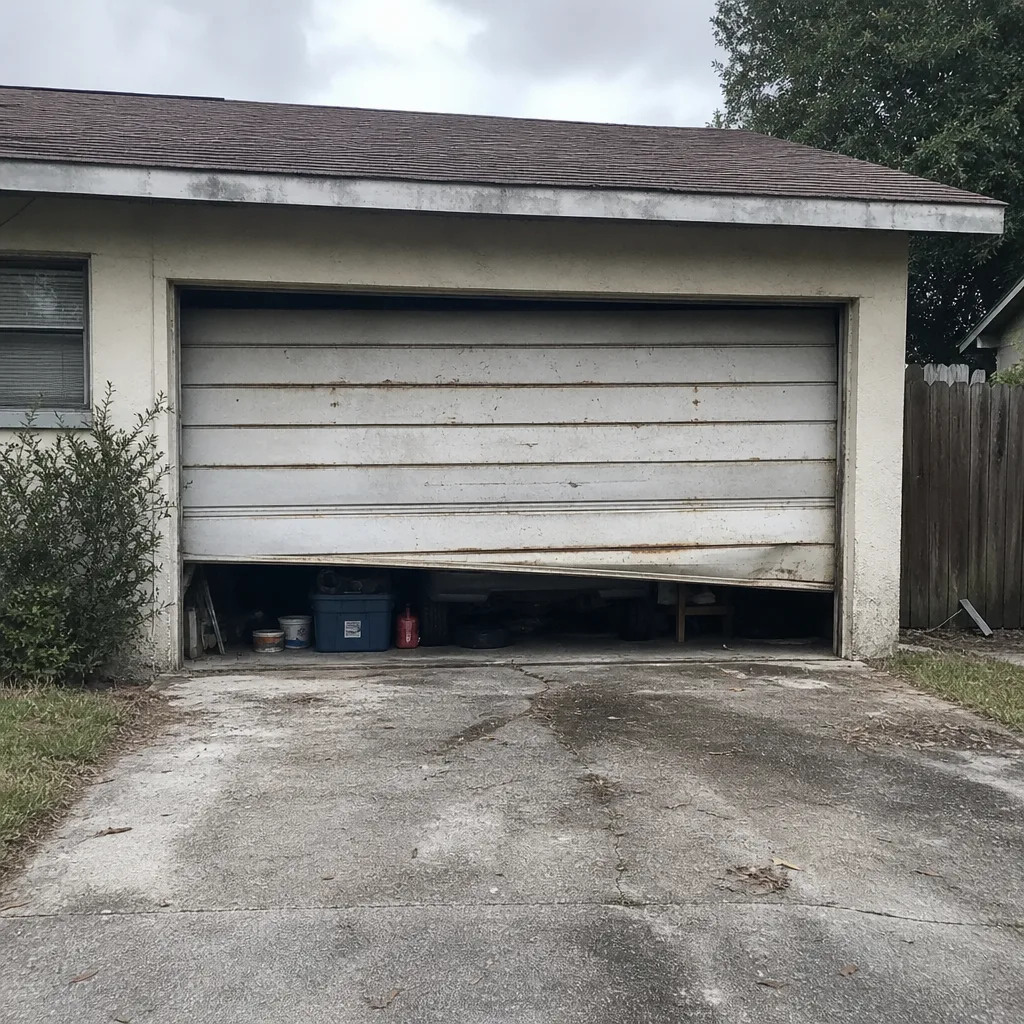 Before
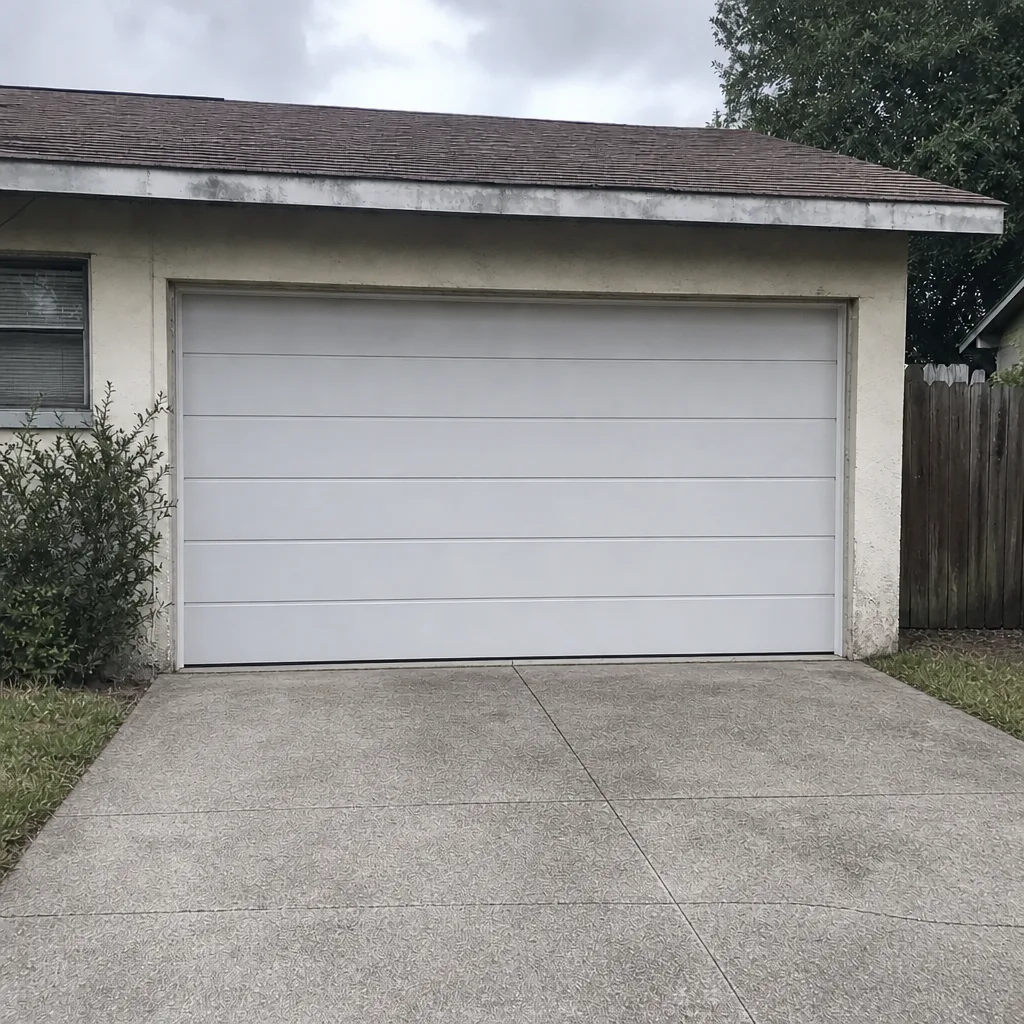 After
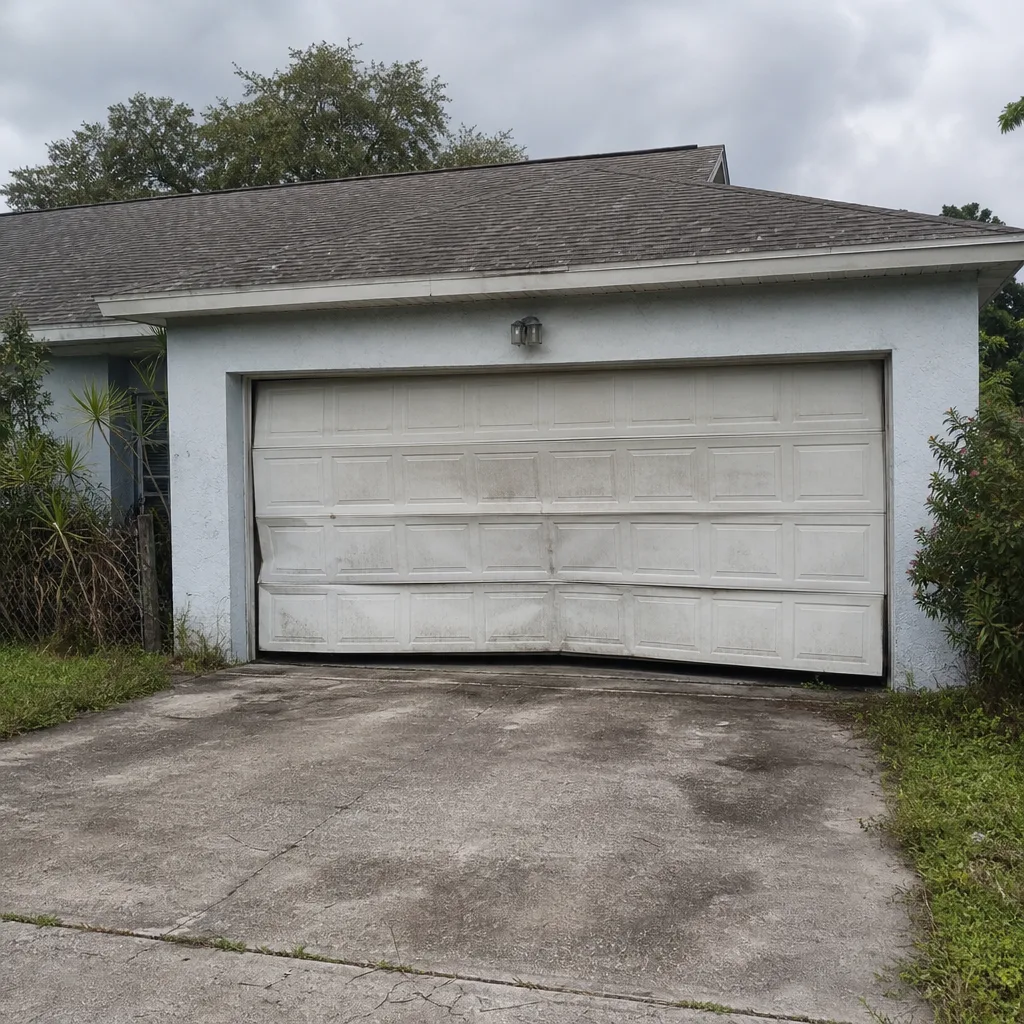 Before
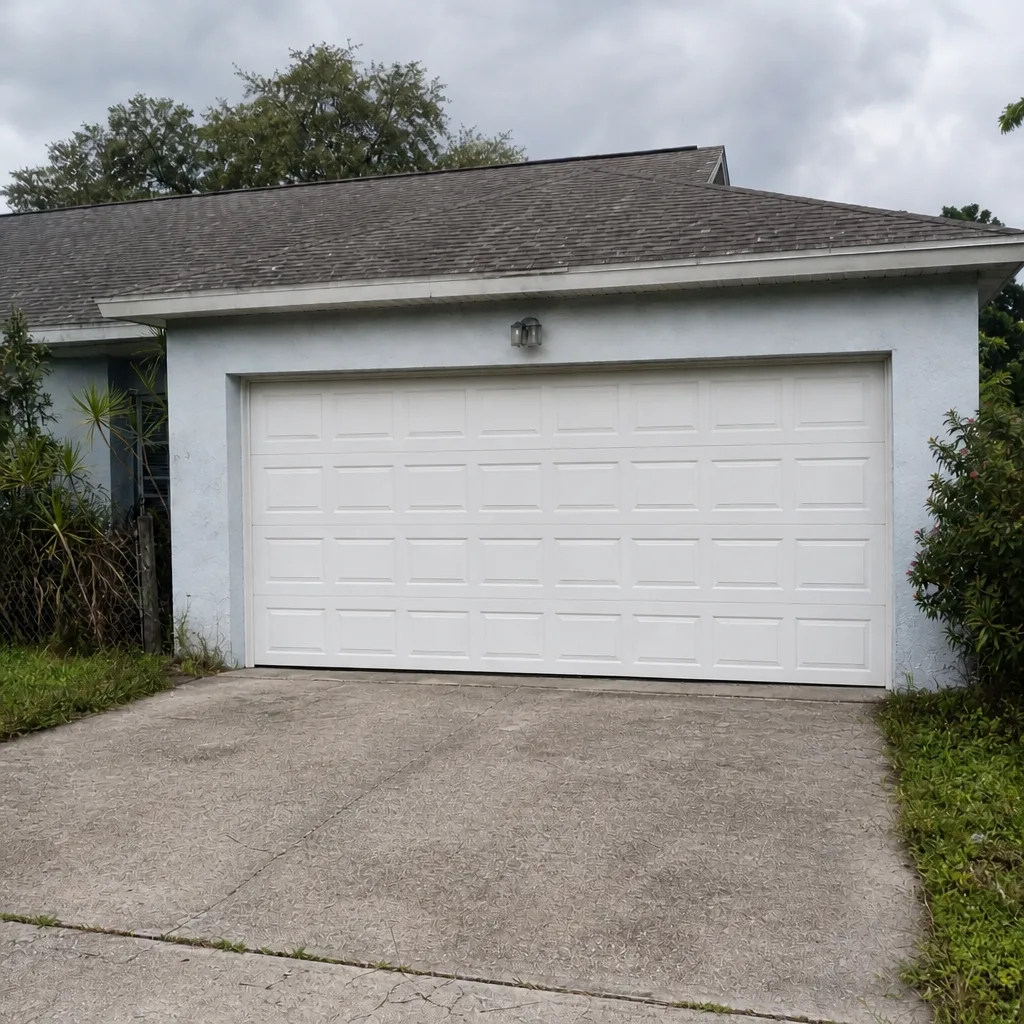 After
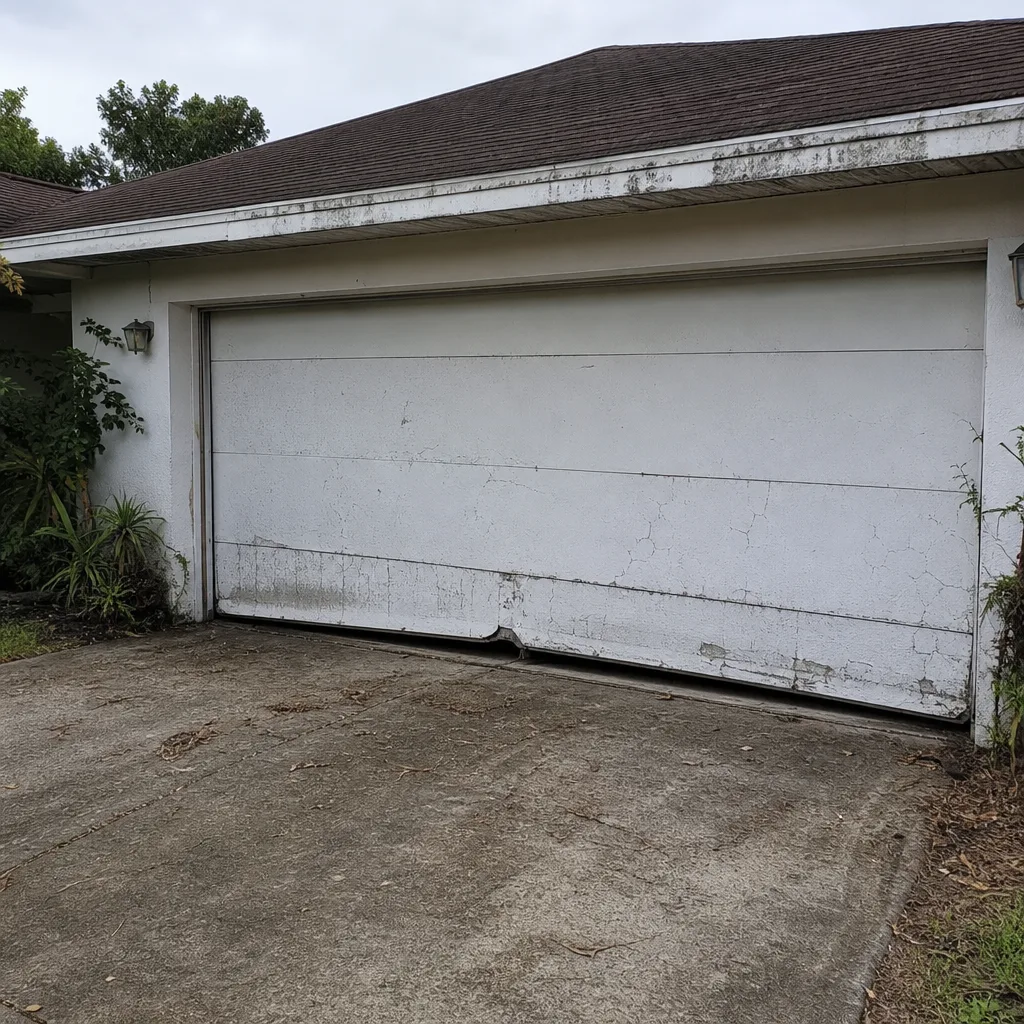 Before
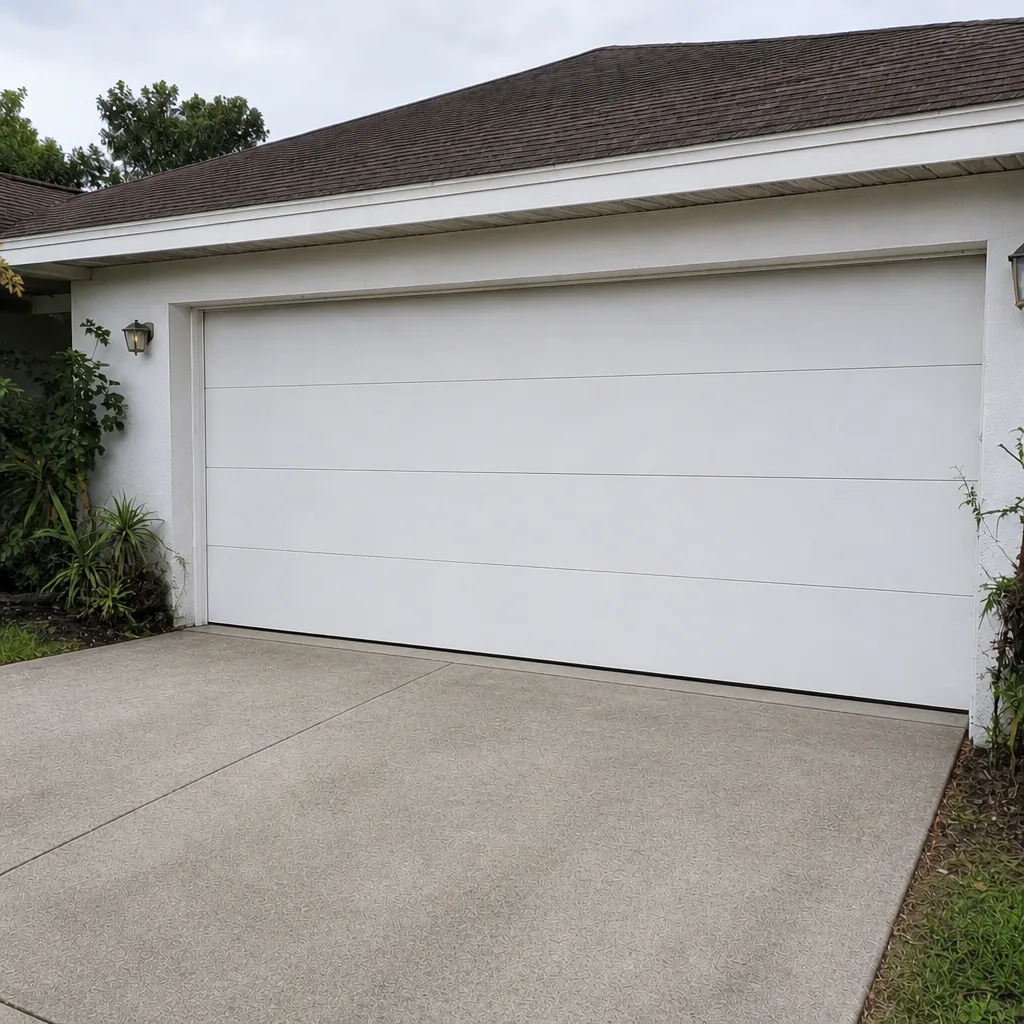 After
Frequently Asked Questions
Grinding and squealing during travel are the most common warning signs. They usually point to worn rollers, dry hinges, or a failing bearing. If you notice the noise started recently and is getting louder, book a service call before it spreads to the opener.
Look for a visible gap between the coils of a torsion spring, a chalky rust residue on the spring, or a door that sits unevenly when closed. In Titusville’s humidity, rust streaks on the door panel above often mean the spring is corroding. If any of these appear, stop using the door and call a technician.
Yes, a door that reverses on its own is serious and should be diagnosed promptly. It usually means the safety sensors are misaligned or dirty, or the opener’s sensitivity is set incorrectly. If a quick clean of the sensor lenses doesn’t fix it, call us – estimates are free.
Spring repair is priced per job by a written estimate that we provide before any work starts. The estimate covers labor, the spring itself, and any related hardware the technician finds. Call (855) 337-1659 for a free estimate and a firm price before we touch the door.
For urgent failures we do our best to work same-day. If the door is stuck open – a security concern – treat it as urgent. Call (855) 337-1659. A call outside dispatch hours is booked into the next opening, Sunday through Friday, 7am to 7pm.
The local professionals we connect you with are licensed and insured as their state requires. Our technicians have up to 12 years of experience and work on the brand you already have, from Chamberlain and Genie to Clopay and Amarr.
The Bottom Line
Most garage door failures announce themselves loudly before they happen. Grinding, popping, a gap in a spring coil, rust streaks running down the panel, a remote that works only up close – each of those is a mechanical message, and reading it early is the difference between a quick fix and a door that won’t move. Split the warnings into urgent (stop using the door now) and monitored (schedule within two weeks), respect the safety line around springs and cables, and keep up with lubrication through Titusville’s humid months. If your door has started speaking to you, let a technician translate it.
Call (855) 337-1659 for a free estimate. We answer 24/7. Fast dispatch from 7am to 7pm, Sunday through Friday.
Written by the team at Garage Door Repair Titusville.