
Last updated November 22, 2026
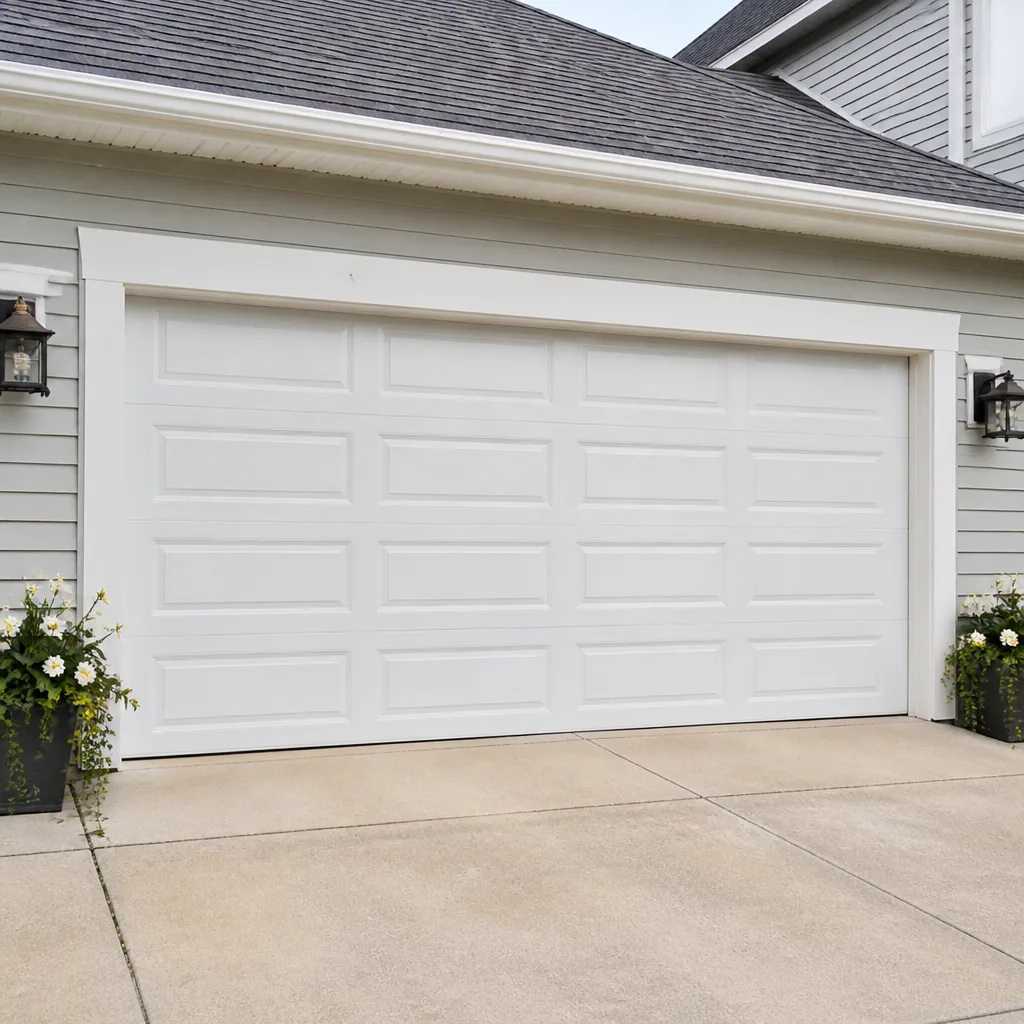 Raised-panel steel
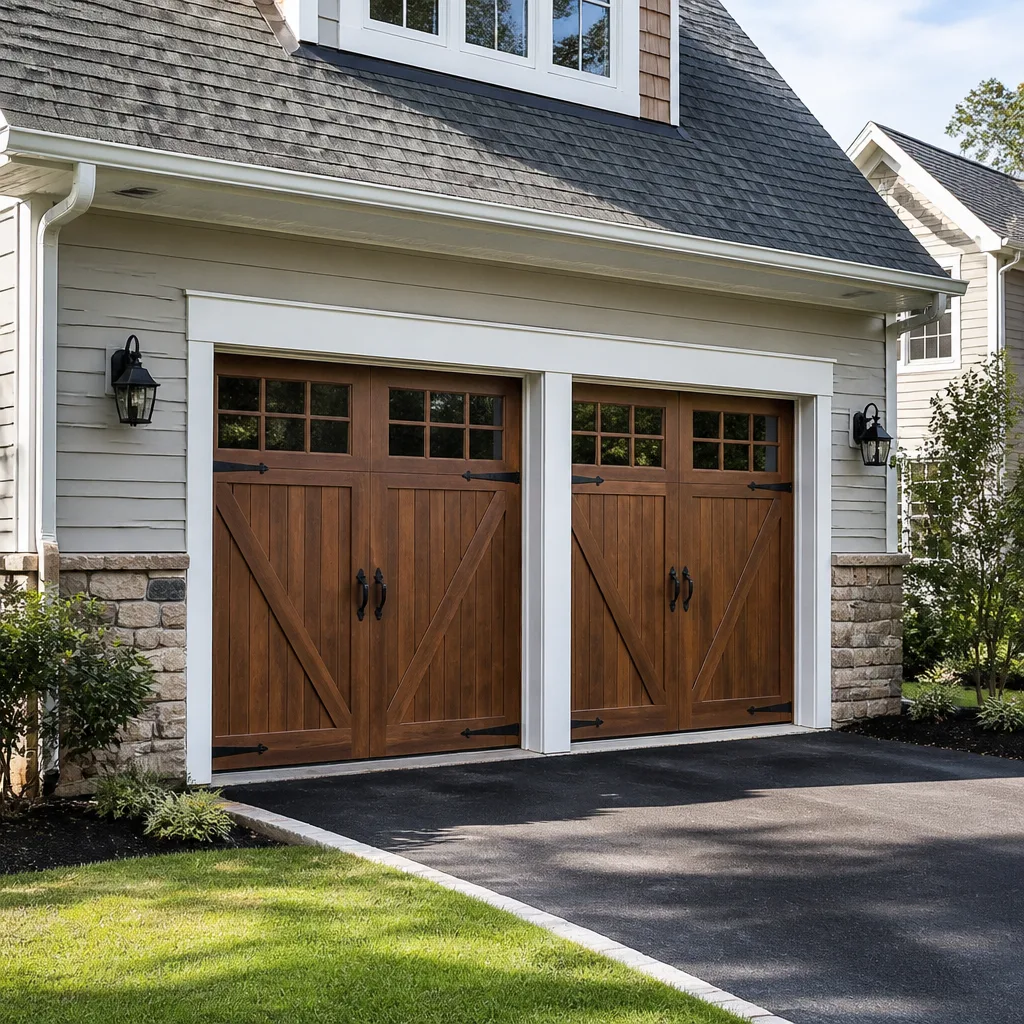 Carriage house
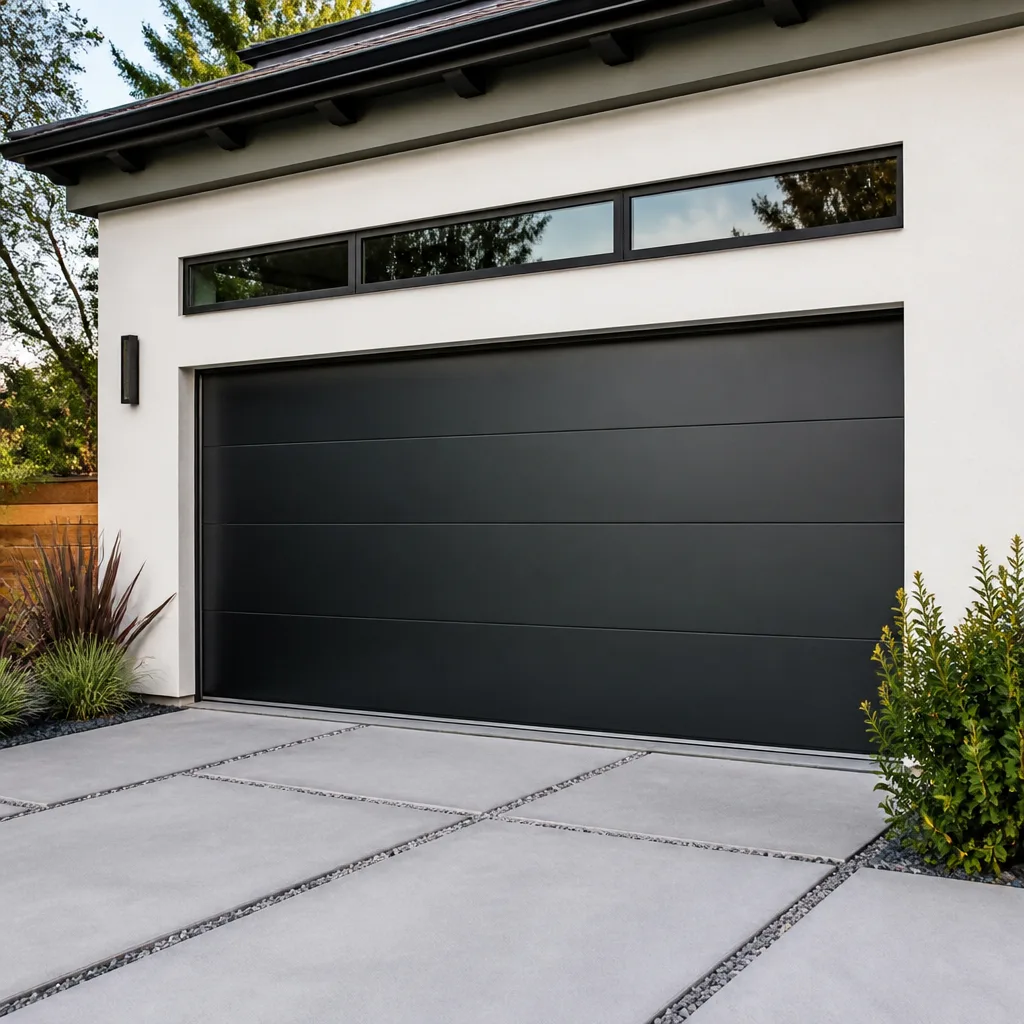 Modern flush
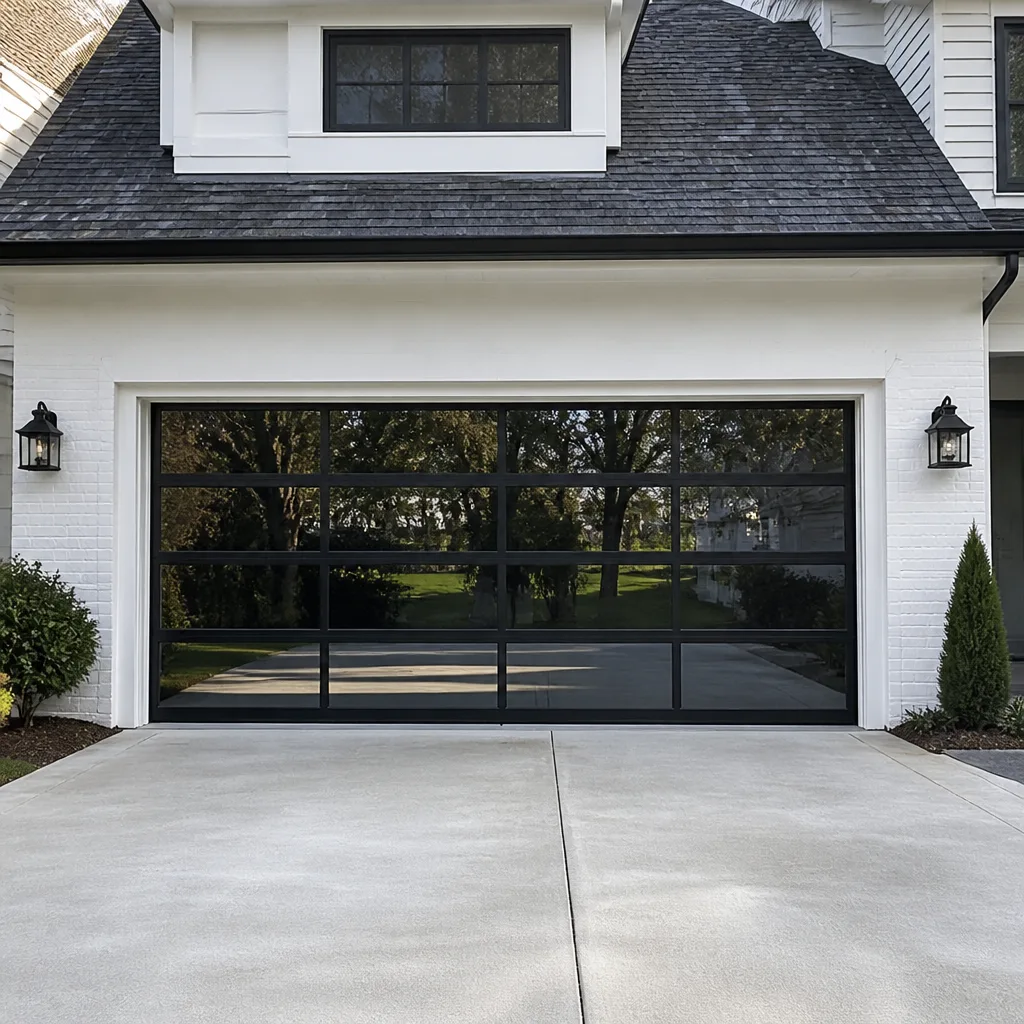 Full-view glass
 LiftMaster openers
 Chamberlain openers
Full 25-point door and opener safety check with every visit - springs, cables, rollers, tracks, and your LiftMaster or Chamberlain opener included
You get a price before we start. It does not change when the pro arrives.
Get your free estimateHow to Hire a Garage Door Contractor in Titusville: A Step-by-Step Guide
The most expensive garage door mistake in Titusville usually isn’t the price on the invoice. It’s choosing a technician who doesn’t recognize the system already hanging in your garage. In a city where homes range from mid-century builds near the Indian River to newer construction off Garden Street, you’ll find LiftMaster, Chamberlain, Genie, Clopay, Amarr, Wayne Dalton, Craftsman, and Raynor hardware all mixed across the same neighborhood. A contractor who knows one family of equipment will either guess his way through the repair or recommend replacing parts that didn’t need replacing. This guide walks you through screening for brand competency, verifying a Florida license, reading a quote line by line, and spotting the red flags that show up specifically in the Titusville market.
Quick Answer
To hire a garage door contractor in Titusville, verify a valid Florida license through the DBPR, ask three brand-specific questions about your existing opener and door, and insist on a written quote that itemizes parts and labor separately. Brand-agnostic competency matters more than the lowest bid, because a technician who can’t service your Chamberlain or Clopay system will compensate by guessing or upselling. Get everything in writing before work starts.
Styles & brands we work with
- Raised-panel steel
- Carriage house
- Modern flush
- Full-view glass
- LiftMaster openers
- Chamberlain openers
Table of Contents
- How Do You Verify a Garage Door Contractor’s License in Florida?
- How Do You Test Brand Knowledge Before Booking?
- Why One Itemized Quote Beats Three Vague Bids
- Local Red Flags in the Titusville Market
- What a Real Warranty on Parts and Labor Covers
- Springs, Cables and the Limits of DIY
- Common Mistakes to Avoid
- When to Call a Professional
How Do You Verify a Garage Door Contractor’s License in Florida?
You verify a Florida garage door contractor by asking for a license number and checking it yourself through the Florida Department of Business and Professional Regulation (DBPR) license lookup before anyone comes to your door. Garage door work falls under specialty contracting in Florida, and the DBPR database shows whether the license is active, current, and issued to the business name on the quote. A contractor who hesitates to provide a number, or provides one that pulls up a different company name, is telling you something important without realizing it.
Here’s the screening process we recommend, in order:
- Ask for the license number in writing. A text or email works. Verbal-only numbers disappear when disputes arrive.
- Search the DBPR database. Confirm the license status is “Current, Active” and that the qualifying business name matches the invoice header.
- Ask for a certificate of insurance. General liability and workers’ comp. Call the insurer if you want to be thorough. That’s not paranoid; it’s normal.
- Confirm who actually shows up. Ask if the technician arriving at your home is an employee of the licensed business or a subcontractor dispatched through a call center.
- Check the address. A local phone number doesn’t prove a local operation. A physical address you can verify is a stronger signal.
This last point matters more in Titusville than most homeowners expect. Brevard County’s market has more than its share of out-of-area companies posting local numbers and dispatching unlicensed subcontractors. The number area code proves nothing about who is coming to your home. If your door needs urgent service, the same rules apply: you should still be able to confirm a license before the truck arrives. Our Garage Door Repair Titusville page walks you through what we handle when someone calls from the north end near Park Avenue or from the older homes closer to the river. Whatever the presentation, the DBPR check takes two minutes and answers the question the marketing copy can’t.
One more thing: ask what happens if something goes wrong. A licensed contractor carries insurance behind the work, which is the actual protection behind your home and your door. Not a sales pitch. Just the ground rules.
How Do You Test Brand Knowledge Before Booking?
You test a garage door contractor’s brand knowledge by asking three specific questions on the phone before you book: what opener model you have, what door material and manufacturer you have, and what common failure those systems have in your type of home. A qualified technician answers without needing to see the door first, or asks you a follow-up question that shows he knows what to listen for. Someone who says “we’ll figure it out when we get there” is telling you the diagnosis will start at zero once the meter is running.
Here’s how to read the answers:
- Ask: “What kind of opener do I probably have, based on the model number I’m reading off the label?” LiftMaster and Chamberlain share the same parent company and much of the same internal design. A technician who works across brands will say so and know that the fix for a Chamberlain belt drive is essentially the same as for a matched LiftMaster. Genie and Craftsman have their own quirks in how they handle limits and safety sensors. If the answer is “we’d need to look at it,” ask what brands they service regularly.
- Ask: “My door is a Clopay, and the bottom section is dented. Can you source a matching panel, or do I need a full door?” A technician who services Clopay and Amarr regularly knows that replacement panels depend on model age and whether the manufacturer still produces that profile. A generalist often pushes toward a full replacement regardless of whether a panel would have worked.
- Ask: “The door reverses on its way down. Before you come out, what are the likely causes?” Good answers include travel limit settings, a misaligned safety sensor, track interference, or a spring losing tension. A vague answer from a generalist is the signal you’re screening for.
In our experience, the brand test catches more bad hires than any review site. Not because reviews don’t matter, but because brand fluency is observable in a five-minute phone call, and it correlates directly with how the actual job will go. Generalist handymen guess. A multi-brand specialist diagnoses. We work on the brand you already have, and the questions above are how you find out whether the next contractor does too.
If your door or opener fails completely, the answers to these questions still matter. Our garage door opener repair service is where we see the most mismatched brand competence on first visits, because the number of opener models installed across Titusville households runs across nearly four decades of hardware. Knowing which side of that history you’re on changes the diagnostic path.
Why One Itemized Quote Beats Three Vague Bids
A single quote that separates parts and labor is worth more than three quotes that bundle everything into one number. Bundled pricing is where guessing hides. An itemized quote tells you the part cost, the labor cost, and the scope of work as separate lines, so you can compare apples to apples across contractors and know exactly what you’re paying for. When three contractors all quote “$495 flat” for a job, you’ve learned nothing about who is replacing what, whether they’re using manufacturer parts, or how long the labor is expected to take.
Here’s what an itemized quote should include:
- Parts by name and model. Not “spring” but “matched pair of torsion springs, [model], rated for your door weight.”
- Labor as a separate line. The number should reflect hours or a defined task, not an arbitrary bump.
- Warranty period on parts and labor separately. These are often different durations. Get both in writing.
- What’s not included. If the technician might need to replace a bottom bracket or bearing plate once he sees the door, say so upfront rather than adding it after.
- Written price before work starts. The number on the estimate sets the final invoice. Anything that changes requires a new agreement.
For spring work, itemized quoting is especially important. A price for one torsion spring is not the same as the price for a matched pair, and a pair is usually replaced together because mismatched spring tension strains the door. If a quote doesn’t tell you whether it’s one spring or two, you don’t have enough information to compare it to anything. Our garage door spring repair page explains what typically goes into a spring replacement; use the same checklist when you review any contractor’s quote for the same job.
The other reason one good quote beats three vague ones: an itemized quote tells you whether the contractor is replacing something that didn’t need replacing. If a generalist quotes a full opener replacement for what turns out to be a safety sensor alignment, and the quote is itemized, you’ll see the parts list includes an opener that was not failing. Bundled pricing hides that. A second and third quote won’t reveal it unless all three are itemized. Ask for the itemization, then compare.
Estimate comparisons also reveal the difference between a brand-familiar contractor and a curious one. When a contractor quotes a Clopay door panel replacement versus a full door, you can see from the line items whether they understand the parts catalog. That’s the whole point of itemization.
Local Red Flags in the Titusville Market
The most common red flag in Titusville is a contractor who presents a local phone number without a verifiable local presence. Area codes are cheap to redirect and easy to purchase through voice-over-IP services, and out-of-area companies routinely set up numbers that ring a dispatch center somewhere else entirely, then send a subcontractor who has never seen your brand of door. The homeowner can’t tell the difference until the technician is in the driveway and asking for a signature on a work order from a company they never heard of.
Here are the red flags specific to this market:
- No verifiable DBPR license. The license number should match the business on the quote. If it doesn’t, stop.
- No physical address or a P.O. box only. Out-of-area operations rarely have a verifiable Brevard County address.
- Subcontractor dispatch. Ask directly: “Is the technician coming an employee of your company?” An honest answer is fine. A runaround is the red flag.
- Pressure pricing. “We’re in the neighborhood today only” is not how legitimate scheduling works. The price you’re quoted is not affected by the day you accept it.
- No written estimate before work. Any contractor who starts work before you have a signed, written price is a risk. The written quote is the price. That rule is non-negotiable.
- Warranty language that would fit any trade. Generic “satisfaction” wording with no parts or labor specifics. More on that below.
For emergency calls specifically, red flags get harder to screen because you’re under time pressure. A stuck door blocking your car, or a door stuck open after dark, swings the decision toward whoever answers the phone. We answer 24/7, and fast dispatch runs from 7am to 7pm. When you call (855) 337-1659, you get a license-verifiable contractor and a written price before work begins. Emergency garage door service should mean someone responds, not that careful vetting stops. Whether the door isn’t moving or a spring has snapped, our garage door repair service is set up to handle urgent calls from across Titusville, from the older streets near the Space View area to the newer builds farther east.
The last red flag is the one that shows up after the work: an invoice that doesn’t match the quote. If a contractor won’t put it in writing before starting, that’s the moment to walk.
What a Real Warranty on Parts and Labor Covers
A real garage door warranty names the parts covered, the labor period separately, and the exclusions in plain language. A vague “satisfaction guarantee” usually covers none of these, and in practice it excludes most of what can go wrong: spring failures, opener motor issues, track damage from improper installation, and sensor alignment problems after a job that was never really finished. If the warranty paperwork doesn’t itemize, treat it as having no warranty and price accordingly.
Here’s what to look for, line by line:
- Parts coverage, named specifically. “Torsion spring rated for [cycle count]” is defensible. “All parts” that excludes the spring is not.
- Labor coverage, defined by period. If the technician has to come back, is the return visit included, and for how long?
- Manufacturer versus installer warranty. Some parts carry a manufacturer’s warranty and the contractor merely passes it through. That’s fine, but the paperwork should say so explicitly so you know whom to call.
- What voids it. Improper door balance, homeowner adjustments, damage from impacts. Exclusions are normal; hidden exclusions are the problem.
- Transferability. Not every homeowner needs this, but if you’re selling a Titusville home, a transferable warranty is a stronger selling point than a verbal guarantee.
Ask for the warranty in writing at the same time as the quote. A contractor who has to “check on that” and doesn’t follow up is telling you something. Ask again before work starts; if it’s still not in writing, don’t sign.
A warranty is one more reason brand familiarity matters. A technician who installs the same manufacturer’s products regularly will know the manufacturer’s warranty terms cold. A generalist who replaces them occasionally won’t. When you’re comparing quotes, include the warranty terms in the comparison. A slightly higher-priced itemized quote with a specific, written warranty is usually the better deal over the life of the door. That’s often what separates a hire you’re glad you made from one you spend the next year explaining to your neighbors.
Springs, Cables and the Limits of DIY
Torsion and extension springs sit under heavy tension and can cause serious injury if handled without the correct winding bars and door balance protocol. A garage door spring can release stored energy with enough force to break bones, and cables under tension can whip unpredictably. This is not a component to diagnose or adjust on your own, even if a video makes it look straightforward. Our technicians carry the tools and training for safe spring and cable work. Homeowners should not attempt it.
What you can do safely before calling:
- Check the door balance. With the door closed, disconnect the opener (usually a release cord on the rail) and lift the door by hand to about waist height. A balanced door stays roughly there. A door that falls is a spring problem.
- Look for visible damage. Bent track sections, frayed cables, or a lower panel that doesn’t sit flush. Note what you see.
- Test the safety sensors. Wave an object through the invisible beam near the floor of the door. If the door doesn’t reverse, the sensor or the opener logic is involved.
- Note the model numbers. The opener label is usually on the back or under the light cover. Write it down before calling.
- Describe the sound. A sharp snap, a slow creak, a grinding noise as the door travels – each points to a different failure.
Do not put your hand near the springs, the cable drums, or the bottom brackets. Do not try to adjust tension. That’s the line between “an informed homeowner” and “a bad afternoon in the emergency room.”
What you should tell the technician when you call: what the door did, what you see, and what you heard. Our garage door spring repair technicians use that information to arrive prepared. For a stuck door that won’t move at all, the same call gets triaged as an emergency and scheduled accordingly. Same-day service is usually available for a door you can’t open and close normally.
The safety limitation applies to a lot of the complaints on this page, not just to springs. Any time the opener has to be opened up for diagnosis or the cables have to be touched, we tell homeowners to step back and let a trained technician take it. That’s not a sales tactic. That’s a trained technician being honest about where the risk actually is.
Common Mistakes to Avoid
- Choosing the lowest quote without checking brand familiarity. A technician who can’t service your system compensates by replacing parts he does recognize. Ask about your specific brand first, price second.
- Not verifying the DBPR license. A phone number and a business card prove nothing. A license lookup through DBPR takes two minutes and covers the actual risk to your home.
- Skipping the itemized quote. Bundled prices hide what’s actually being replaced and whether the labor matches the scope.
- Confusing “satisfaction guarantee” with a real warranty. If it doesn’t name the parts, the labor period, and the exclusions, it’s marketing copy.
- Letting a technician start without a written price. The written estimate sets the final invoice. Anything else is a bait-and-switch setup.
- Assuming an area code means a local contractor. Titusville sees plenty of out-of-area numbers dispatching subcontractors. Verify a physical address and ask if the technician is an employee.
- Trying to diagnose springs or cables yourself. Even a quick look under tension can go badly. Describe the symptoms and let a technician handle the diagnosis.
When to Call a Professional
Call a professional when the door won’t reverse on the safety sensors, when it won’t stay balanced by hand, when a spring is visible and damaged, when the opener runs but the door stays put, or when the door is stuck open or closed and can’t wait. Also call when the door is at the end of a long life and every repair feels like another patch. The screening steps in this guide apply to emergencies too, just faster: the license number and the written price still matter. Garage Door Repair Titusville offers free estimates in Titusville. Call (855) 337-1659. We answer 24/7. Fast dispatch from 7am to 7pm, Sunday through Friday. For full replacements in a calm moment, our garage door repair team will size the door, measure the opening, and walk you through the Clopay, Amarr, Wayne Dalton, or Raynor options that fit your home.
See the difference
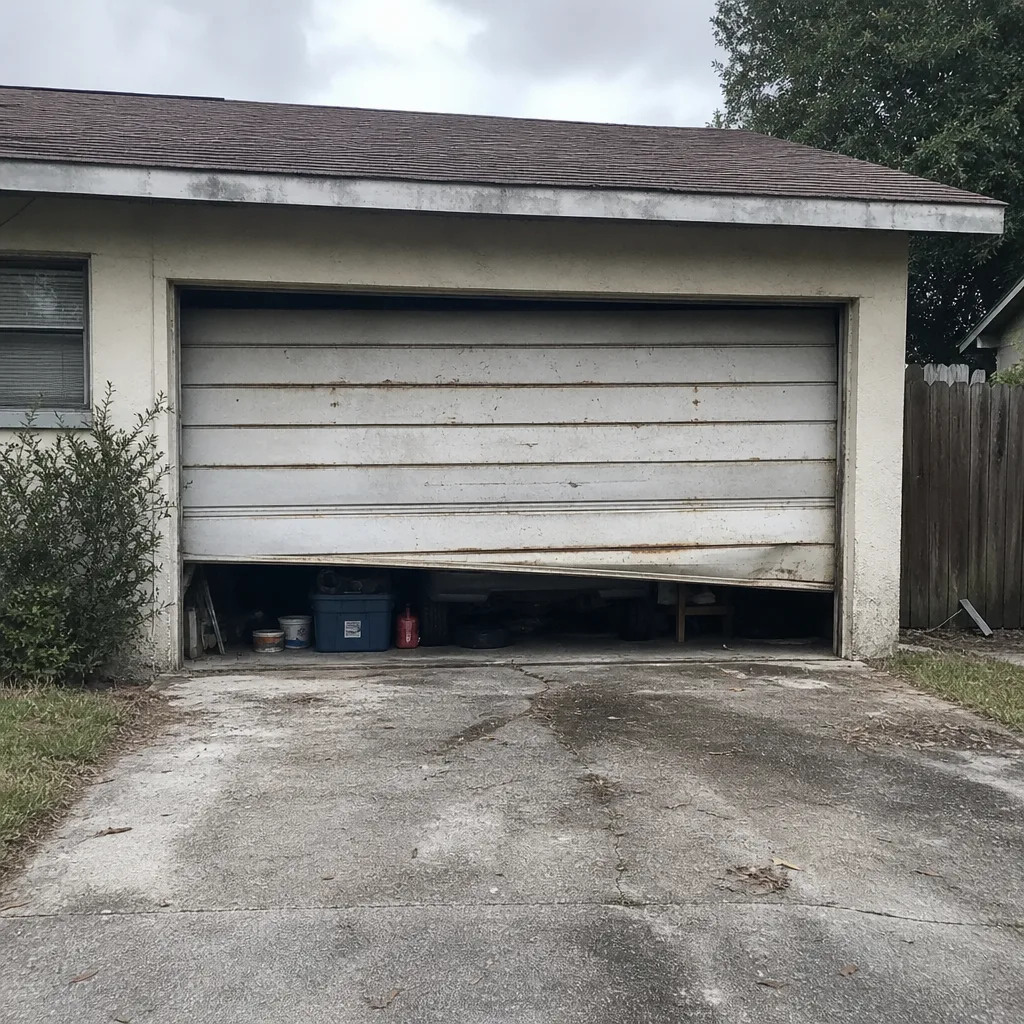 Before
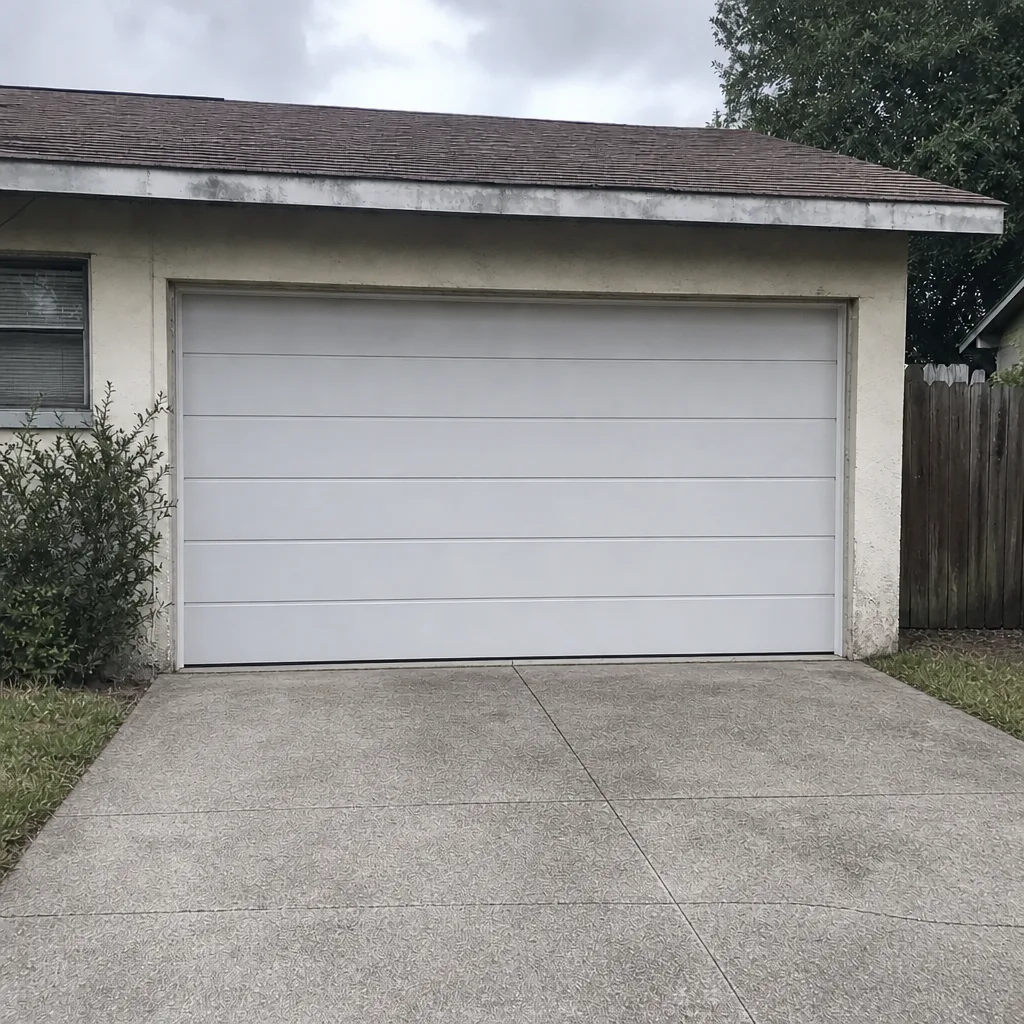 After
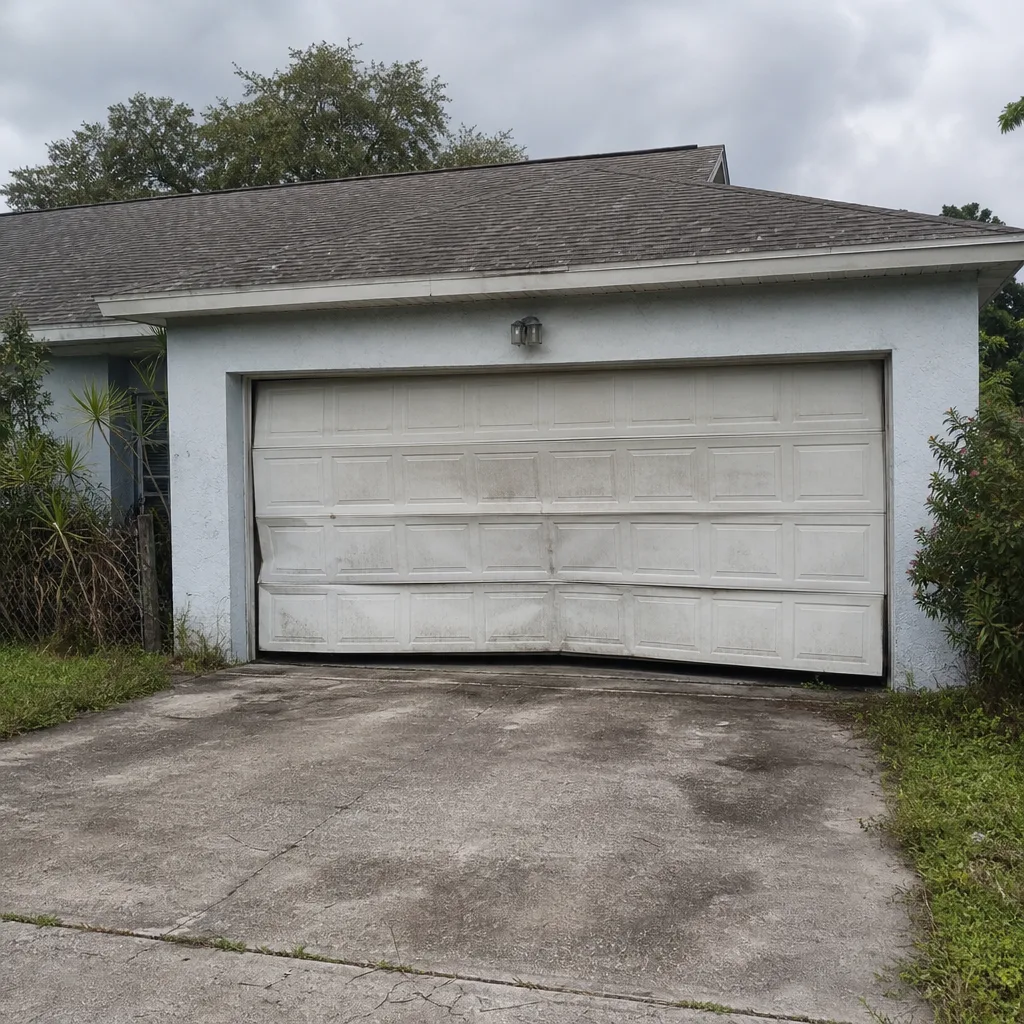 Before
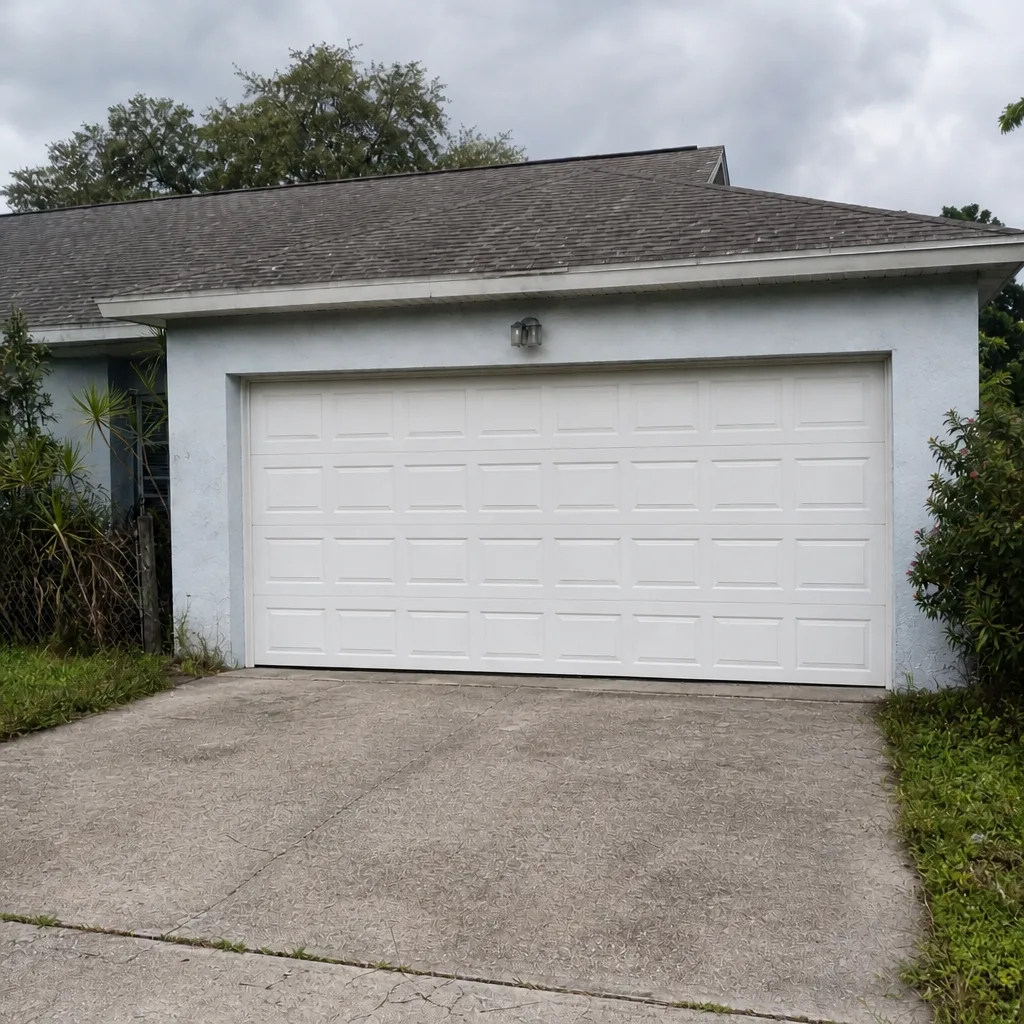 After
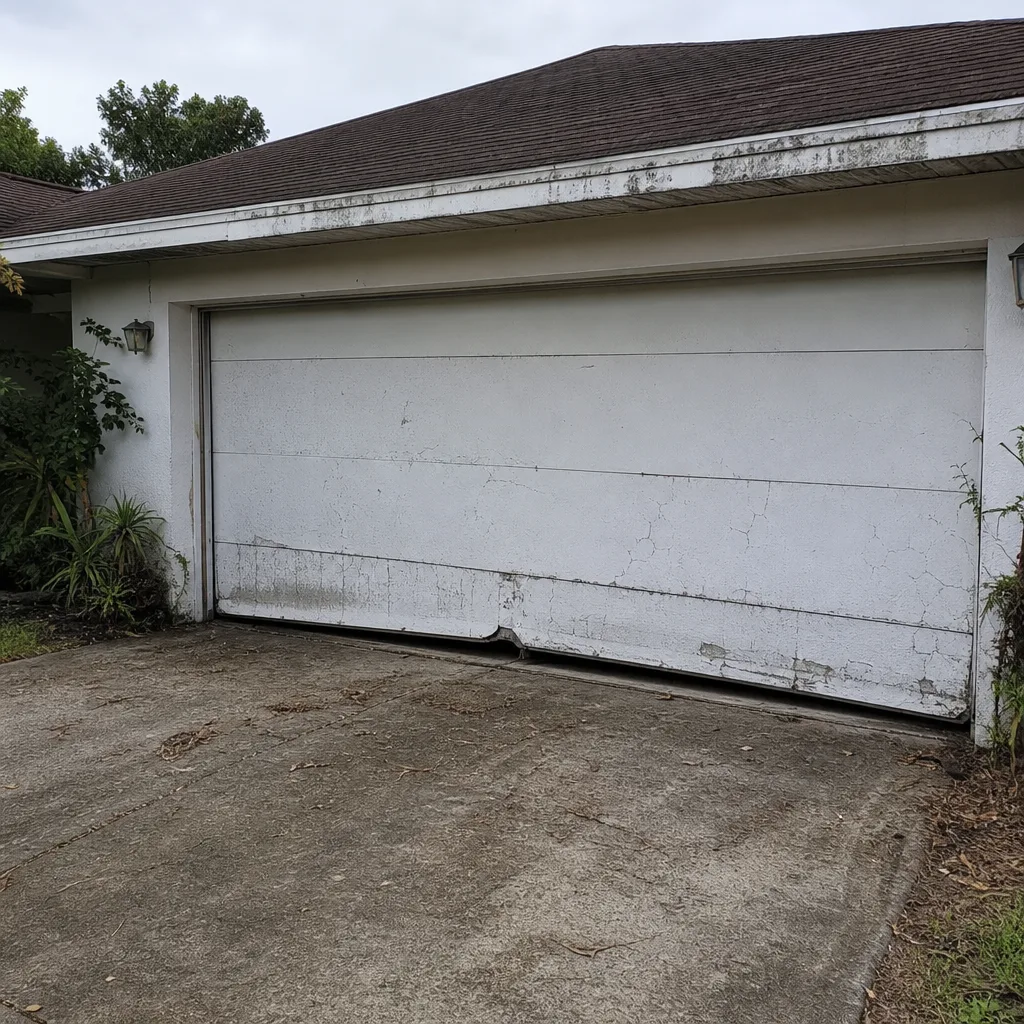 Before
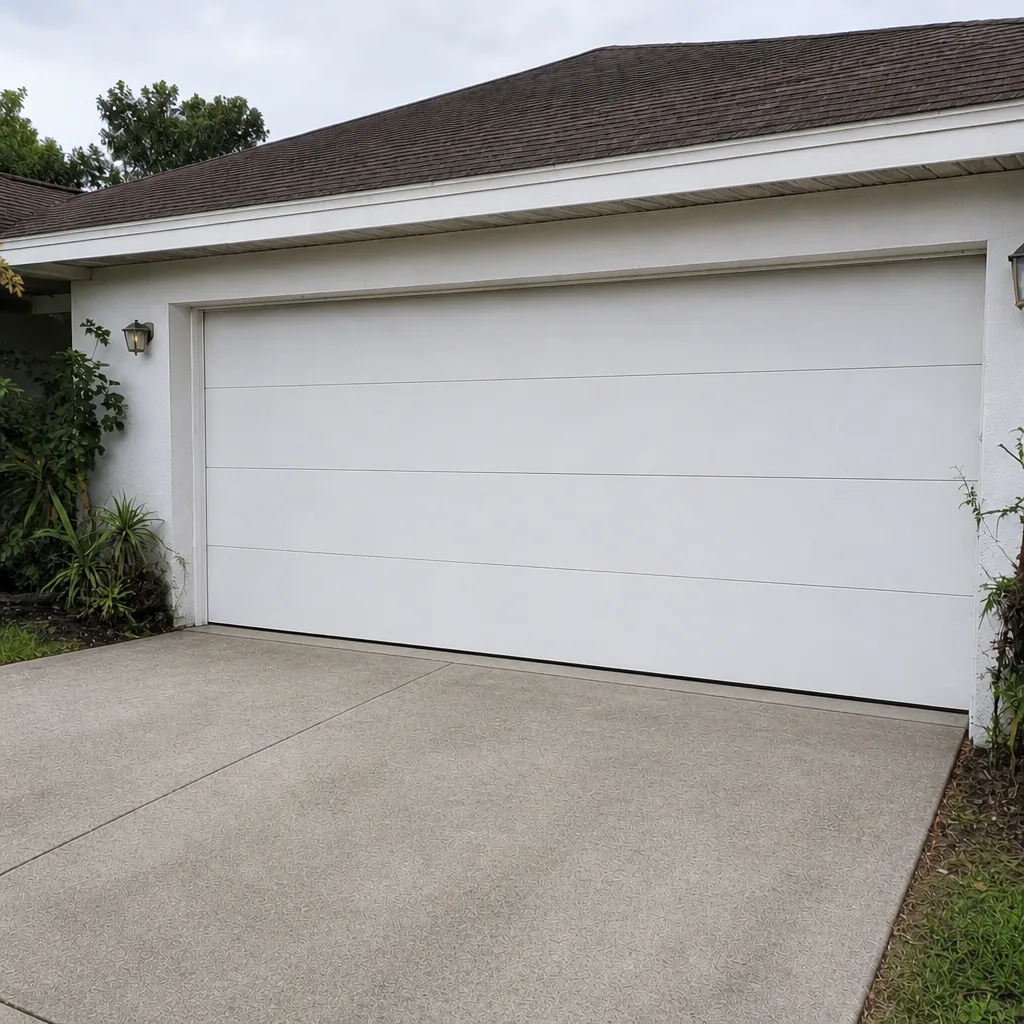 After
Frequently Asked Questions
Ask for the license number in writing, then check it yourself through the Florida DBPR license lookup. Confirm the license status is active and the business name on the lookup matches the name on your quote. If either doesn’t match, don’t book. Call (855) 337-1659 if you want to go through the verification steps with us – estimates are free.
No. The price for emergency work is set the same way as any other job: by the written estimate you agree to before work begins. Call (855) 337-1659. We answer 24/7, and dispatch runs from 7am to 7pm, Sunday through Friday, so an urgent call placed with us gets a written price before any work starts.
Ask what opener model you likely have based on the number you read off the label, whether they can source a matching replacement panel for your door manufacturer, and what commonly causes a door to reverse on the way down. A brand-familiar technician answers without hedging. A generalist asks to come look. Call (855) 337-1659 for an exact quote – estimates are free.
Voice-over-IP services make it cheap and easy to present a local area code without any local presence. The technician dispatched may be a subcontractor with no familiarity with your brand or your home. Ask for a physical business address and whether the technician is an employee of the licensed contractor. Call (855) 337-1659 and we’ll confirm what our process looks like.
A real warranty names the parts covered, the labor period separately, and the exclusions in plain language. Vague “satisfaction guarantee” wording usually excludes springs, opener motors, track damage, and post-install sensor issues – the exact items that fail. Ask for the warranty in writing before work starts. Call (855) 337-1659 with questions – estimates are free.
Yes, across LiftMaster, Chamberlain, Genie, Clopay, Amarr, Wayne Dalton, Craftsman, and Raynor – the brands most commonly installed in residential garages. Our technicians have up to 12 years of experience, and the multi-brand training matters when it’s a Clopay door and a Genie opener on the same install. Call (855) 337-1659 for an exact quote – estimates are free.
The Bottom Line
Brand competency matters more than the lowest quote. A garage door contractor in Titusville who recognizes your existing hardware will diagnose the actual problem. A contractor who doesn’t will guess, and the guess costs you. Verify the DBPR license, ask the three brand questions, and expect an itemized quote with a written warranty before anyone touches the door. The written estimate sets the final invoice, and everything else is conversation. For a free estimate anywhere in Titusville, call (855) 337-1659. We answer 24/7, and fast dispatch runs from 7am to 7pm, Sunday through Friday.
Written by the team at Garage Door Repair Titusville.