
Last updated November 22, 2026
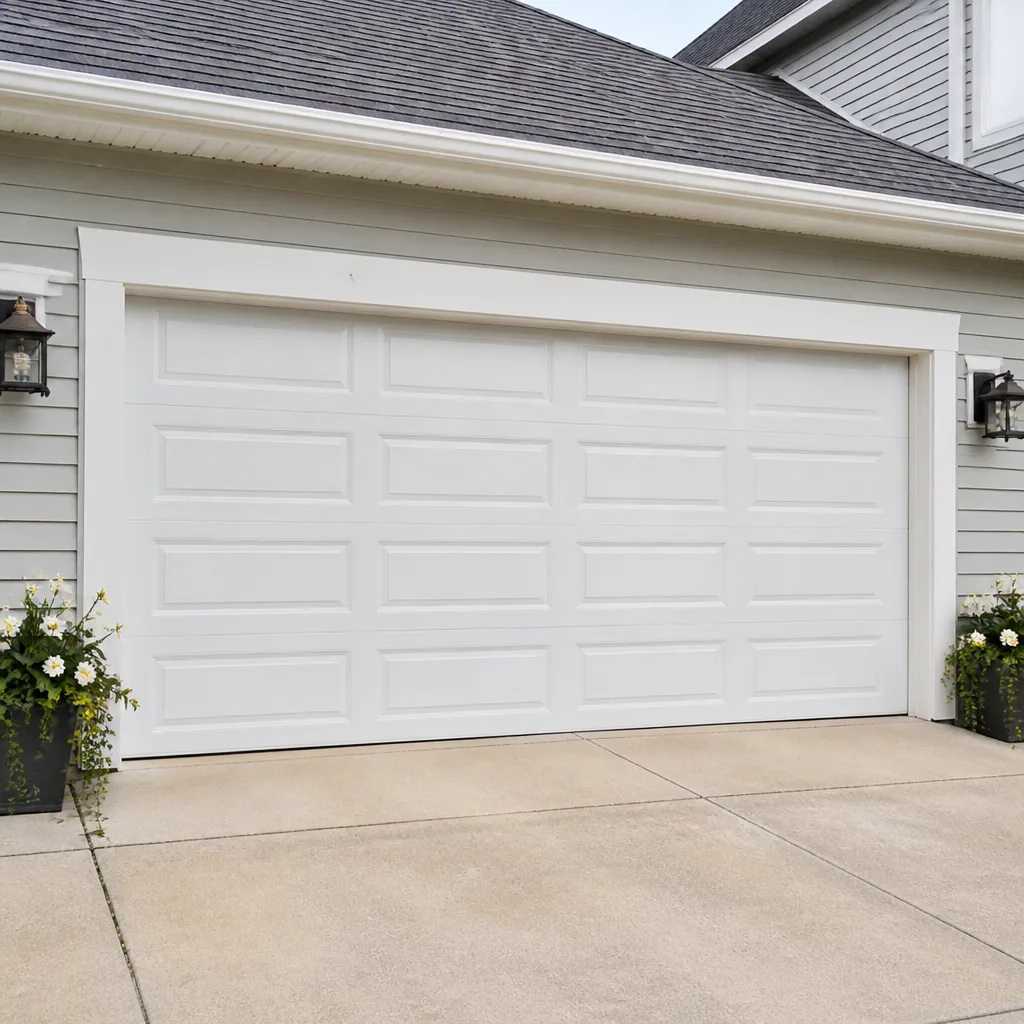 Raised-panel steel
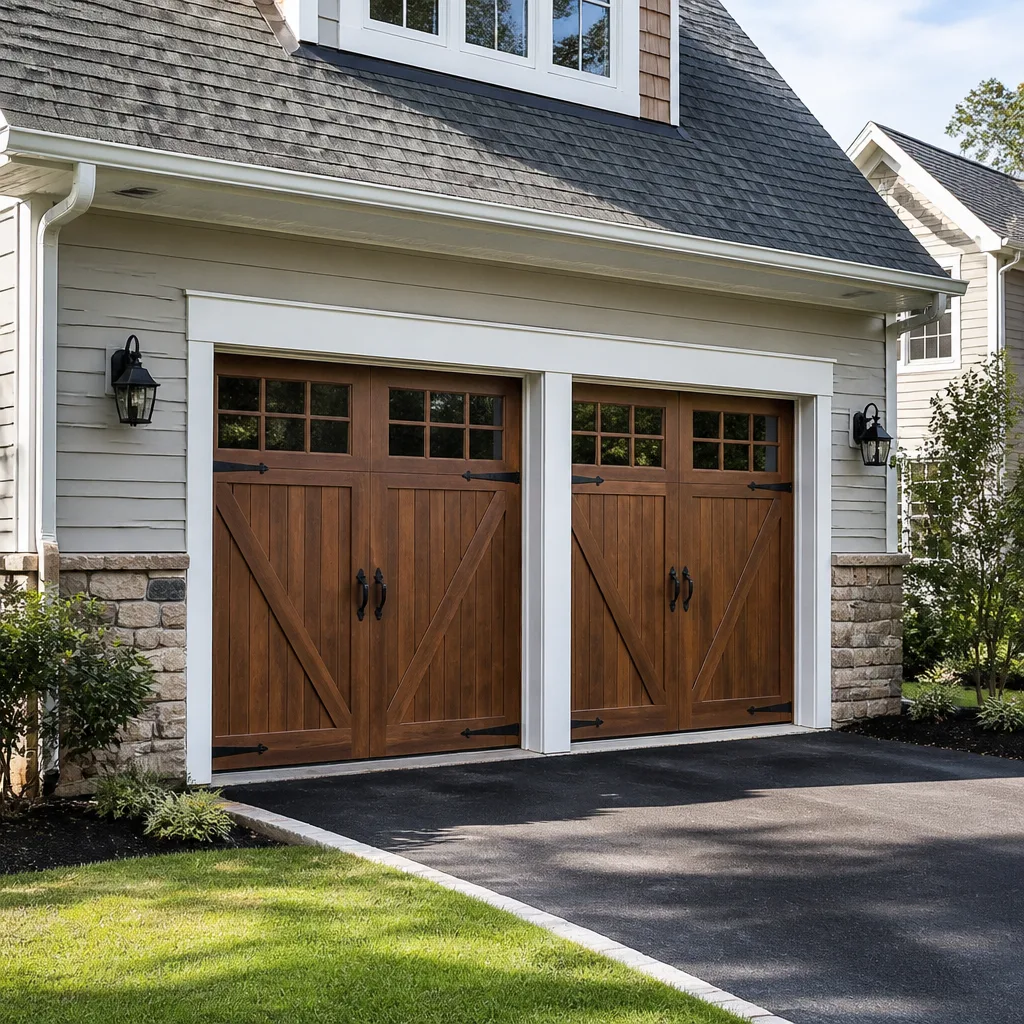 Carriage house
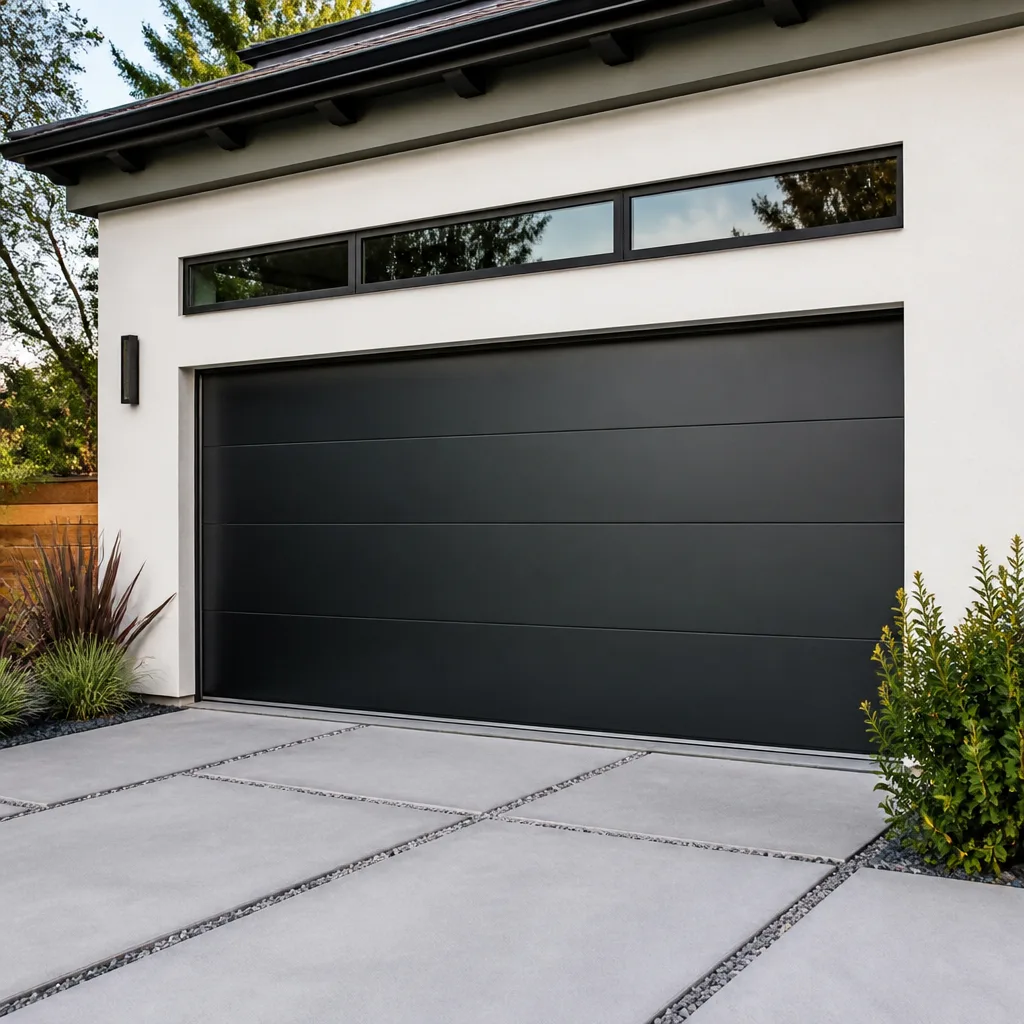 Modern flush
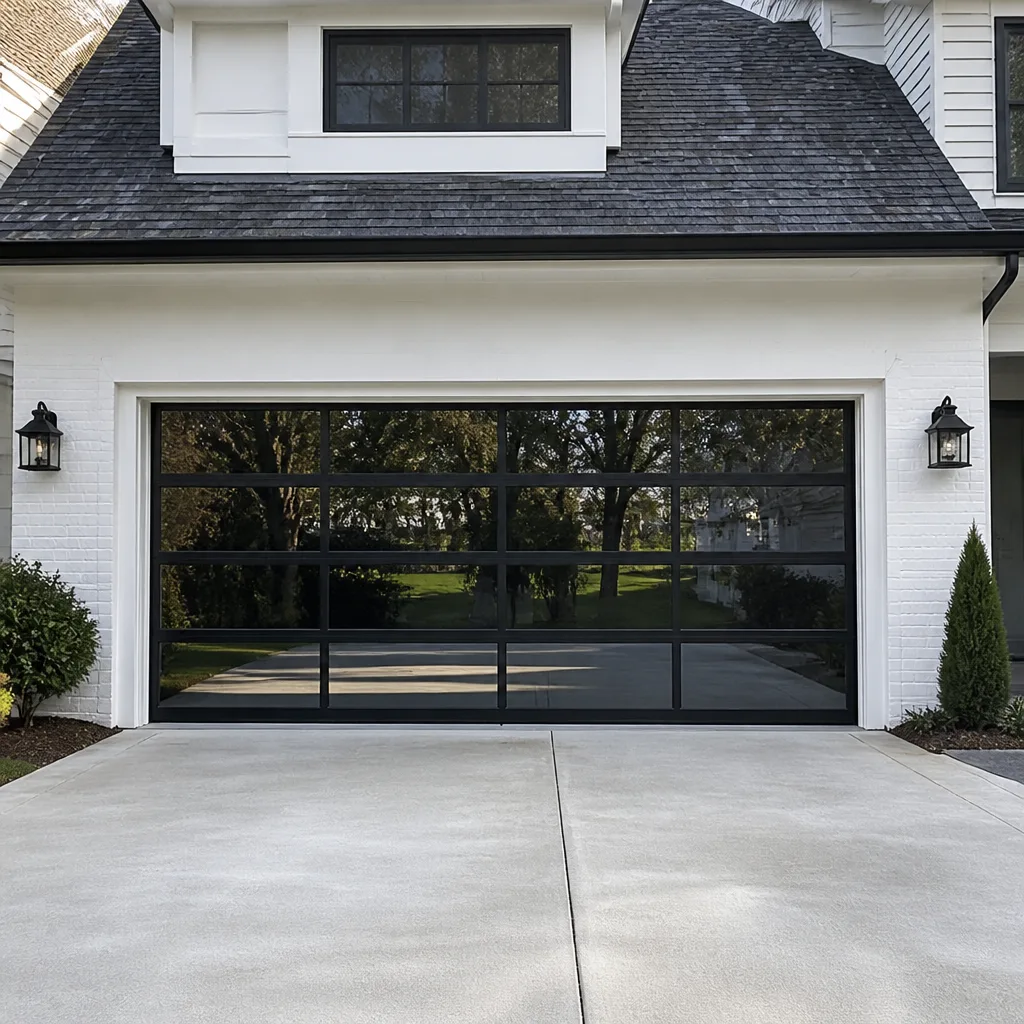 Full-view glass
 LiftMaster openers
 Chamberlain openers
Full 25-point door and opener safety check with every visit - springs, cables, rollers, tracks, and your LiftMaster or Chamberlain opener included
You get a price before we start. It does not change when the pro arrives.
Get your free estimateGarage Door Permits, Codes & Inspections in Titusville, FL: What You Need to Know
Most homeowners assume a garage door is a cosmetic upgrade until something goes wrong with a sale, an inspection, or a storm claim. Here’s the part that surprises people in Titusville: the door on your house is a building-code component with wind-load requirements attached to it, and swapping it out like a piece of furniture can leave you exposed. Florida treats garage doors as part of the building envelope, not decoration. This guide walks through when Brevard County requires a permit for garage door work, what wind-load ratings actually mean for Titusville’s wind zone, how to read a product approval number, and what to do if work was already done without one. If you’re buying, selling, or replacing a door, this is the reference to keep.
Quick Answer
In Titusville, replacing a garage door with a different size, model, or wind rating generally requires a building permit through the Brevard County Building Division, while a true like-for-like swap of an identical model may be handled as a replacement without a full permit, so confirm the classification with the building department before you order. The new door must meet Florida Building Code wind-load requirements for our wind zone and carry a product approval number that matches the opening. Pulling the permit is part of the job, and it protects both the work and your insurance position.
Styles & brands we work with
- Raised-panel steel
- Carriage house
- Modern flush
- Full-view glass
- LiftMaster openers
- Chamberlain openers
Table of Contents
- Why a Garage Door Is a Permitted Building Component in Titusville
- When You Need a Permit vs. When You Don’t
- Florida Wind-Load Requirements and Titusville’s Wind Zone
- How to Read a Product Approval Number
- Who Pulls the Permit: Contractor vs. Homeowner
- What an Inspection Actually Checks
- How Unpermitted Work Shows Up When You Sell
- How to Permit Work That Was Already Done
Why a Garage Door Is a Permitted Building Component in Titusville
A garage door is the largest moving object on a house and the biggest opening in the wall. In a high-wind event, it’s the first thing that fails if it wasn’t built for the load. That’s the reason Florida doesn’t treat it like a front door you can pick up at a home center and bolt on. The door, the tracks, the anchors, and the reinforcement all work together to hold the opening closed under pressure, and the code wants documentation that the assembly was designed for that opening.
Titusville sits in a part of Brevard County where wind design matters on every exterior opening. The garage door on a typical home here is a wide, low-mass panel that catches wind across its full face, and the surrounding block or frame has to be able to take the load that transfers into it. When a door is replaced with something heavier, lighter, larger, or rated differently, the anchors and reinforcement may need to change with it. That’s not a sales pitch for a permit. It’s the reason the permit exists.
There’s also the insurance side. A homeowners policy is written on the understanding that the house meets the code in force when it was permitted. If a carrier finds a non-compliant door during a claim review, that’s grounds for a dispute over the damaged portion. Homeowners tend to discover this after the fact, which is the worst possible time.
None of this means a garage door replacement is hard. It means the paperwork and the product approval are part of the project, not an afterthought. Our technicians have up to 12 years of experience installing and servicing doors in this part of Florida, and we’ve learned to treat the permit and the product approval as the first step of the job, not the last.
When You Need a Permit vs. When You Don’t
This is where most confusion starts. “Like-for-like replacement” is the phrase that decides it, and it’s narrower than people think. A like-for-like replacement means the new door is the same size, the same model or an approved equivalent, with the same wind rating, installed with the same anchoring details, and the tracks and hardware are not being changed in a way that affects the opening’s structural performance. Anything that changes the size, the wind rating, the mounting method, or the structure around the opening usually moves into permit territory.
Here’s the practical breakdown of what typically triggers a permit and what usually doesn’t:
- Triggers a permit: enlarging or reducing the opening, switching to a door with a different wind-load rating, changing from a single door to a double or vice versa, adding reinforcement or replacing the header, converting a manual door to an opener on a door that wasn’t rated for one, or a full new installation in a new opening.
- May not trigger a permit: swapping an identical or approved-equivalent model into the same opening with the same anchoring and the same rating, or a repair to springs, cables, rollers, hinges, or an opener that doesn’t change the door assembly.
- Always worth a phone call to the building department: any replacement where the paperwork isn’t crystal clear, any door more than a few years old, and any door where the last installation can’t be documented.
Brevard County’s building department makes the final call on classification, not the installer and not the homeowner. We tell customers the same thing every time: if there’s any doubt about whether the door is a like-for-like replacement, ask before you order. It’s a five-minute conversation that can save weeks later.
One more wrinkle for Titusville homes near the water and older neighborhoods: a door installed decades ago may have been built to a code that has since changed. Replacing it with a modern door almost always improves the rating, but the installation details that come with the new model have to be followed to keep that rating valid. That’s why the manufacturer’s installation instructions are part of the permitted submittal, not just a reference sheet in the box.
Florida Wind-Load Requirements and Titusville’s Wind Zone
Florida’s building code assigns every structure a design wind speed based on where it sits, and the garage door has to be rated for the pressure that wind creates at that opening. Local building officials work from wind-zone maps and product approvals together, which is why a door that’s perfect for a house inland can be wrong for one on the other side of the county. Titusville’s location on the Space Coast puts real wind design requirements on every exterior opening, and the garage door is one of the largest.
What this means for a homeowner is simpler than the code language suggests. Every permitted door in Florida has a testing or evaluation report behind it, and that report establishes the design pressure the door can withstand. The door has to be installed exactly as the report specifies: the right number of anchors, the right type of anchor, the right spacing, and the reinforcement the manufacturer calls for. Change any of those and the door no longer meets the rating on paper, regardless of how it feels in the driveway.
A few things we make sure of on every installation in Titusville:
- The door’s rated design pressure meets or exceeds what the building department requires for that specific structure and opening.
- The anchor pattern and reinforcement match the manufacturer’s installation instructions, which are the same instructions the inspector will reference.
- The door’s product approval number is on the door, the label, or the submittal paperwork and can be matched to the report.
- Tracks and brackets are sized for the door’s weight and wind rating, not reused from an older, lighter door.
We work with Clopay, Amarr, Wayne Dalton, Raynor, and other major manufacturers, which means we’re reading these approvals regularly and can tell you before you order whether a door is rated for your opening. If the door you want isn’t rated for the opening, we’d rather find that out at the measure than at the inspection.
Springs, cables, and torsion hardware underneath all this are genuinely dangerous, and nothing in this guide is a reason to handle them yourself. If you’re hearing a snap, seeing a gap in the cable, or the door won’t lift, that’s a call for a trained technician, not a weekend project. Our garage door spring repair service covers torsion and extension work on doors of every age.
How to Read a Product Approval Number
A Florida product approval number is the paper trail that proves a door, opener, or other building product meets the code for its intended use. The number is usually a short alphanumeric code printed on a label or stamped on the door, or included in the submittal package. When a building department asks for the approval, this is what they mean.
Here’s how to find and use it:
- Locate the label. On most residential doors, the product approval label is on the inside face of a panel, on the end stile, or inside the track near the bottom bracket. On a new door, it’s also included in the paperwork that ships with the unit.
- Match the number to the door size and model. The approval applies to specific model numbers, sizes, and wind ratings, not to the manufacturer’s entire catalog. A similar-looking door with a different model number is a different product.
- Check the installation instructions. The approval is only valid when the door is installed the way the manufacturer specifies. The instructions call out anchor types, spacing, and any reinforcement required for the rated pressure.
- Include it in the permit submittal. The permit application typically needs the approval number and the manufacturer’s installation instructions for the specific model being installed. The building department reviews it against the opening it’s going into.
- Keep a copy with your home records. When you sell, this is one of the documents a buyer’s inspector may ask for, and it’s much easier to hand over a copy than to track one down later.
If you can’t find the label on an existing door, don’t guess. A technician can identify the model from the door’s construction and hardware and track down the correct approval. We do that regularly on Titusville homes where the paperwork has long since disappeared, and it’s part of what we verify before recommending any replacement.
Who Pulls the Permit: Contractor vs. Homeowner
The permit can be pulled by the licensed contractor performing the work, or in some cases by the homeowner as an owner-builder. In practice, the contractor pulling the permit is the cleaner path for everyone involved, and it’s how we handle it. The permit is tied to the scope of work, the product approval, and the inspections. If the homeowner pulls it and the installer isn’t licensed to sign off on certain items, the process can stall.
The bigger issue is liability. When work is done without a permit, the person who ordered it carries the exposure. If a storm damages a non-compliant door and a claim is disputed, the homeowner is the one answering the carrier’s questions, not the installer who skipped the paperwork. If a future buyer’s inspector flags the work, the homeowner is the one paying for a retroactive permit or a replacement. We’ve seen homeowners try to sort this out in the middle of a sale, and it’s always more expensive and more stressful than pulling the permit up front.
For anything beyond a straightforward replacement, the responsibility question gets sharper. Structural changes, header work, and anything that touches the wall assembly around the opening involve more than one trade, and those permits need to be pulled by the right licensed professional. Our garage door repair service includes the small hardware and spring repairs that don’t require a permit, and when you’re moving into replacement or new construction, we pull the permit for the scope we’re responsible for and flag anything that belongs to another trade.
Homeowners sometimes ask whether they can use a handyman to avoid the permit. The short answer is that a handyman can’t pull a garage door permit in Florida where the work requires a licensed contractor, and the work he does without one lands on the homeowner’s record. It’s not a shortcut, it’s a delay with a bigger price tag.
What an Inspection Actually Checks
A garage door inspection for a permitted installation is a check against the approved plan and the manufacturer’s instructions. The inspector isn’t looking for the prettiest install. They’re verifying that what’s on the wall matches what was approved and that it was installed the way the approval requires.
Here’s what typically gets verified:
- The door and model installed match the permit application and the product approval number.
- The anchors, brackets, and reinforcement match the manufacturer’s instructions for that model and rated pressure.
- The door operates through a full cycle without binding, with the correct springs and an opener that’s rated for the door’s weight, if one is installed.
- Safety features on an opener are present and functioning, including the reversal and photo-eye requirements for the model in service.
- The opening and wall surrounding it are intact and haven’t been modified in a way that affects the door’s performance.
Most of the reasons an inspection fails come down to paperwork and anchoring, not the door itself. A door installed the same way the last one was, without reference to the new model’s instructions, is the most common miss. A door installed with the wrong anchor type for the wall assembly is another. Both are avoidable with a few minutes of reading before the install, which is why we treat the instructions as a work order, not a suggestion.
If you have a permitted install scheduled, keep the approval number, the installation instructions, and the inspection record together. If you’re doing an inspection as part of a purchase, an inspector will look for the same documents, and a door that matches them is one less item on the punch list.
How Unpermitted Work Shows Up When You Sell
Titusville has a steady market of buyers who know the wind code matters, and that includes inspection companies. When unpermitted garage door work has been done, it tends to surface in one of a few predictable ways during a buyer’s inspection, and each one costs the seller time or money.
- The permit search comes back empty. Many buyers and their agents request a permit history on the property, and a replaced door with no permit record is a red flag that has to be resolved before closing.
- No product approval for the door. If the door on the house doesn’t match an approval and there’s no documentation, the buyer’s inspector may flag it, and the seller ends up locating documentation or replacing the door.
- Installation details that don’t match the rating. An inspector comparing the door’s labels to the anchoring and the manufacturer’s instructions can see when a rated door wasn’t installed to the rating.
- Insurance questions from the buyer’s carrier. A buyer shopping for coverage on a home with a non-compliant door may find the carrier wants it corrected before the policy is issued.
The fix in most cases is a retroactive permit, and the process is manageable. But it’s a lot easier to handle on your own timeline than during the due-diligence period on a sale. If you’re listing in Titusville and can’t remember whether the door was permitted, ask now. We can help confirm what’s on the house and what documentation is missing. Our garage door opener repair service is often how we end up reviewing the door’s paperwork, since openers get replaced more often than doors and the two travel together.
One item that comes up in these reviews is a door that was replaced years ago with a current model but never permitted. That door may actually be compliant. The problem is the documentation, not the product. In those cases we trace the model, pull the approval, and get the permit retroactively in order, which is usually the least disruptive outcome for a seller.
How to Permit Work That Was Already Done
A retroactive permit is the process for bringing work that was completed without a permit into compliance. It’s not a loophole, and it’s not guaranteed for every situation, but it’s a defined path through the Brevard County Building Division, and it’s the right call if the door is sound and the goal is documentation. The process varies with the age and type of work, but the steps generally look like this:
- Contact the building department. Explain what work was done, when it was done, and whether you have any documentation. The county will tell you what’s required for a retroactive permit on a garage door.
- Gather what you can. Any invoice, manufacturer’s paperwork, model numbers on the door, photos of the labels, and the installation details help. If some of that is missing, a technician can identify the model and locate the product approval.
- Submit the permit application. Include the product approval and the manufacturer’s installation instructions for the specific model, along with the scope of work.
- Schedule the inspection. The door and its installation will be inspected against the approved product and the installation instructions. If anything doesn’t match, the inspector will tell you what needs correcting.
- Correct and re-inspect. In many cases, the corrections are limited to anchoring, brackets, or minor hardware, and once corrected the permit closes.
- Keep the record with the home’s documents. The closed permit is what a future buyer, inspector, or insurance carrier is looking for.
If the door itself isn’t rated for the opening, a retroactive permit isn’t the answer; the door needs to be replaced with a rated model. We’ve handled both outcomes in Titusville, and the first step is always the same: figure out what’s actually on the house. That’s why our Garage Door Repair Titusville page starts with a measure, not a quote. Whether you’re bringing an older door into compliance, upgrading to a rated model, or replacing a LiftMaster opener alongside a new door, the assessment comes first and the paperwork follows.
One caution: retroactive permits are how you fix documentation, not a substitute for pulling the permit up front. If a door is about to be replaced, the permit process is straightforward, and there’s no reason to end up on the retroactive path.
Common Mistakes to Avoid
- Assuming a replacement is always like-for-like. A door of the same width but a different model, a different wind rating, or a different anchoring pattern is not the same as the one it replaced, and the building department may treat it as a permit-required install. Confirm the classification before ordering.
- Buying the door before checking the approval. A door on sale at a home center may not carry the approval its size and rating need for a Titusville opening. Check the approval against the opening first, and let the model drive the purchase instead of the other way around.
- Reusing the old tracks and brackets on a heavier door. A modern rated door can be heavier than the one it replaces, and the old anchors may not hold the load. The manufacturer’s installation instructions spell out what’s required, and they’re part of the permit submittal.
- Trusting a handyman with a permit-required install. A handyman can’t pull a garage door permit where a licensed contractor is required, and the work he does without one lands on the homeowner’s record. Use a licensed contractor for anything that needs a permit.
- Losing the product approval paperwork. The approval label and the installation instructions are the two documents you’ll want when you sell. Keep them with your home records, and take a photo of the label when the door is installed.
- Skipping the permit to save time. The permit is a few steps and a short wait. A retroactive permit after a failed buyer’s inspection is longer, and an insurance dispute over a non-compliant door is longer still.
- Touching torsion springs to get the door moving during the process. Spring work is high-risk and not a homeowner task at any stage, including while you’re waiting on paperwork. Call a technician.
See the difference
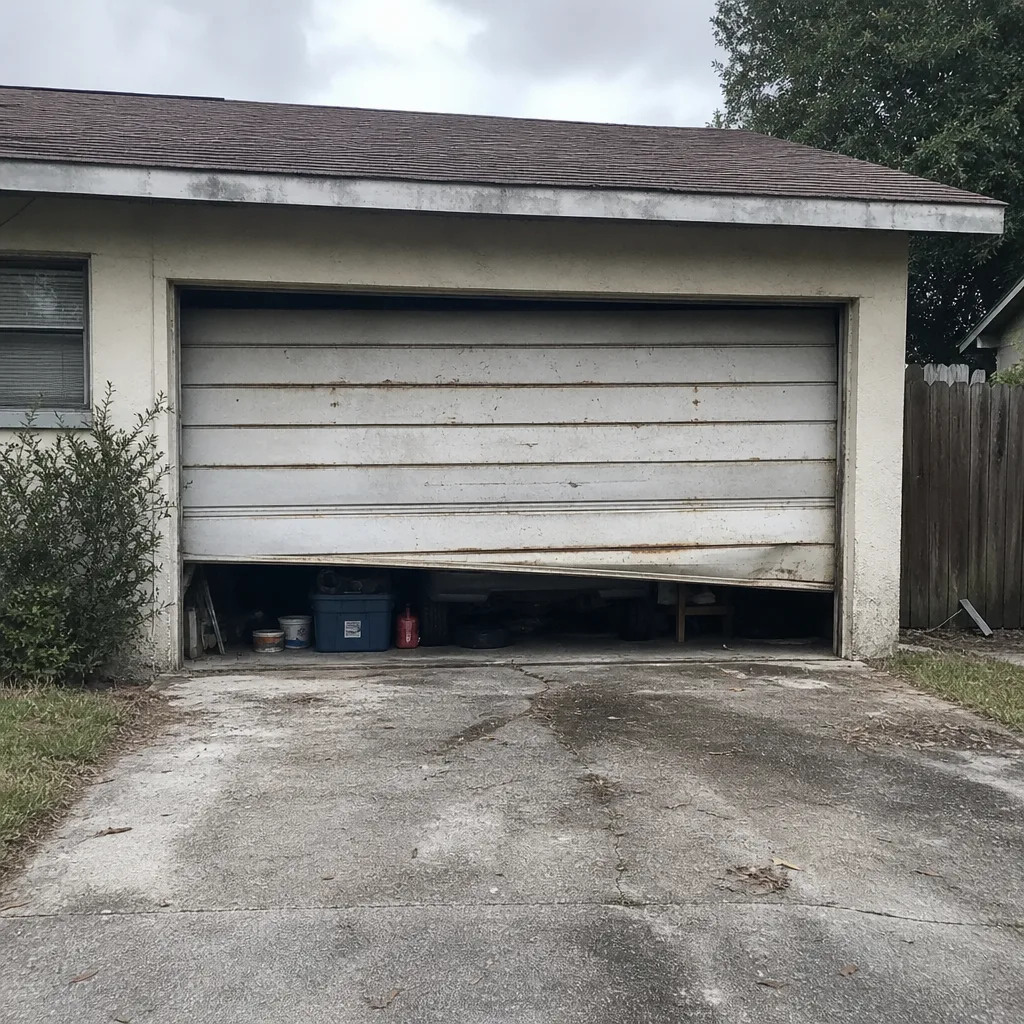 Before
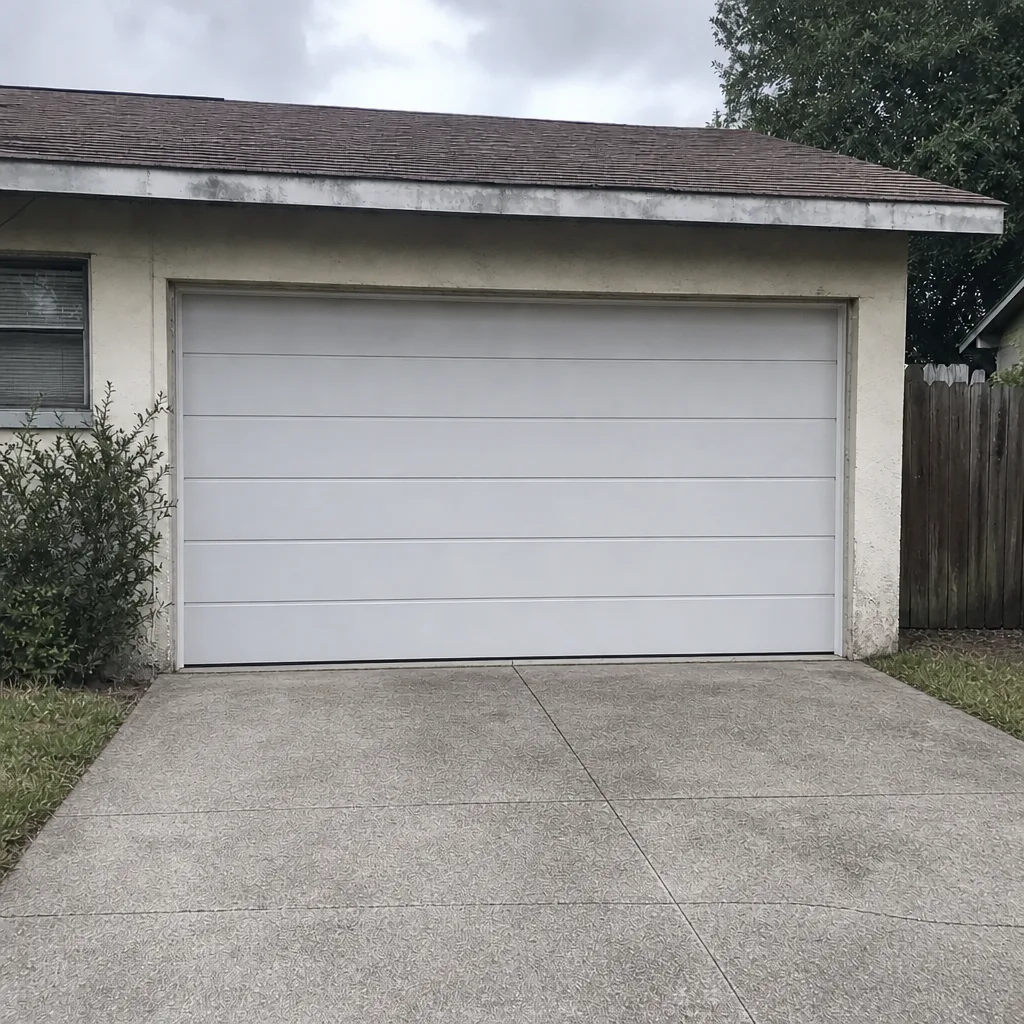 After
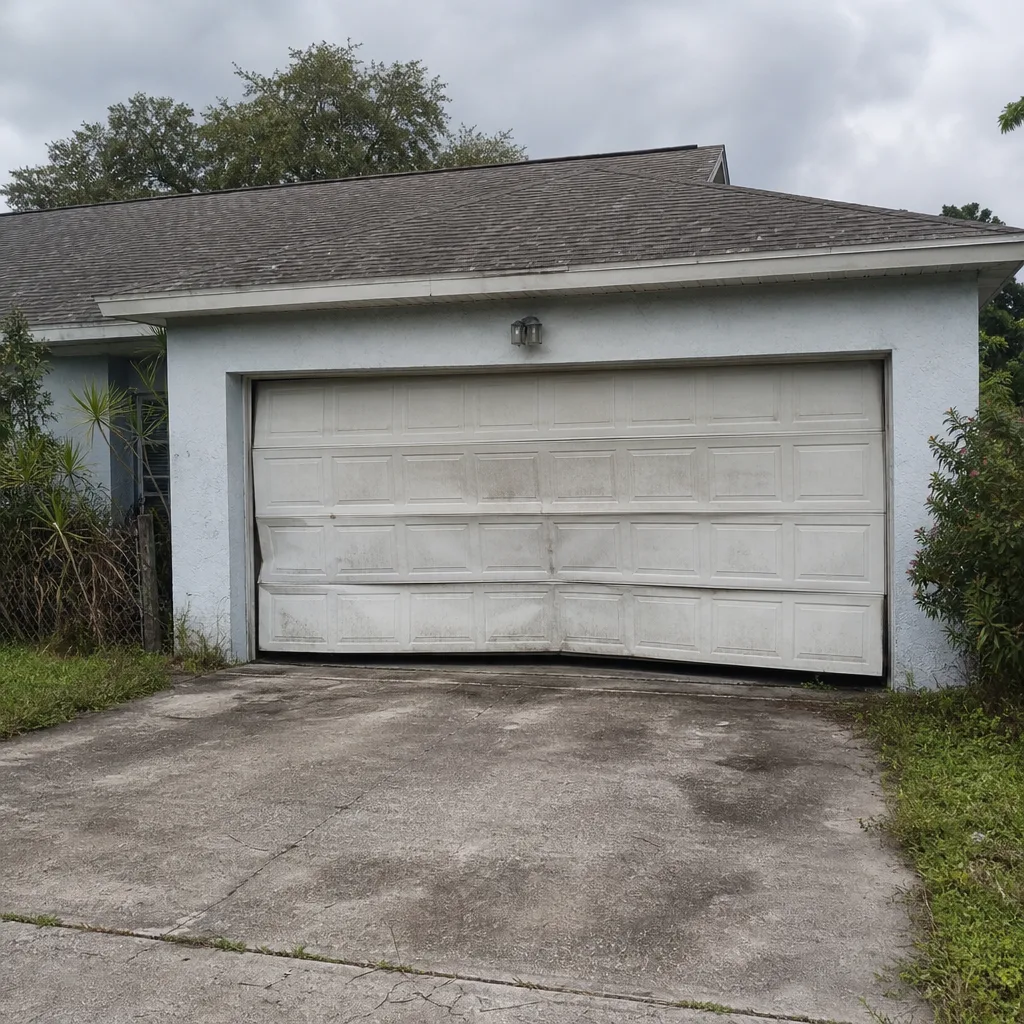 Before
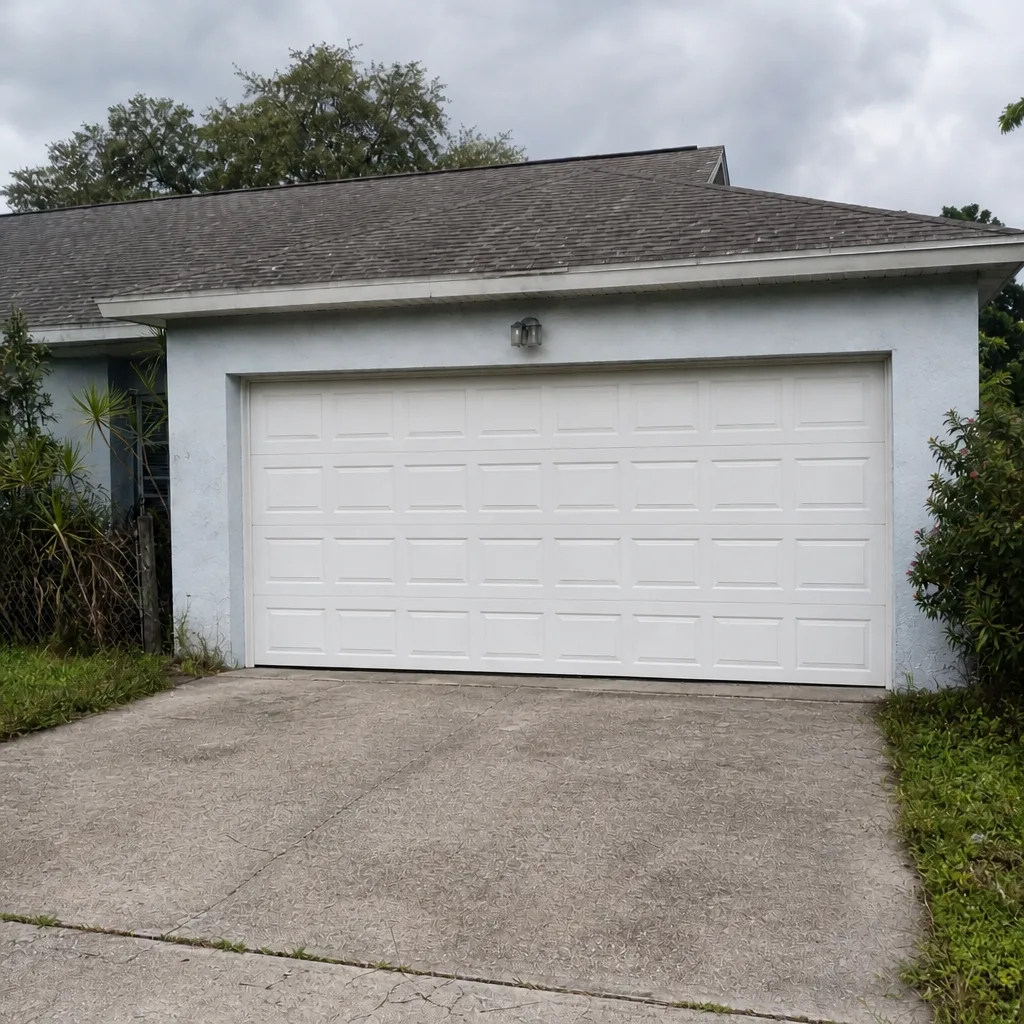 After
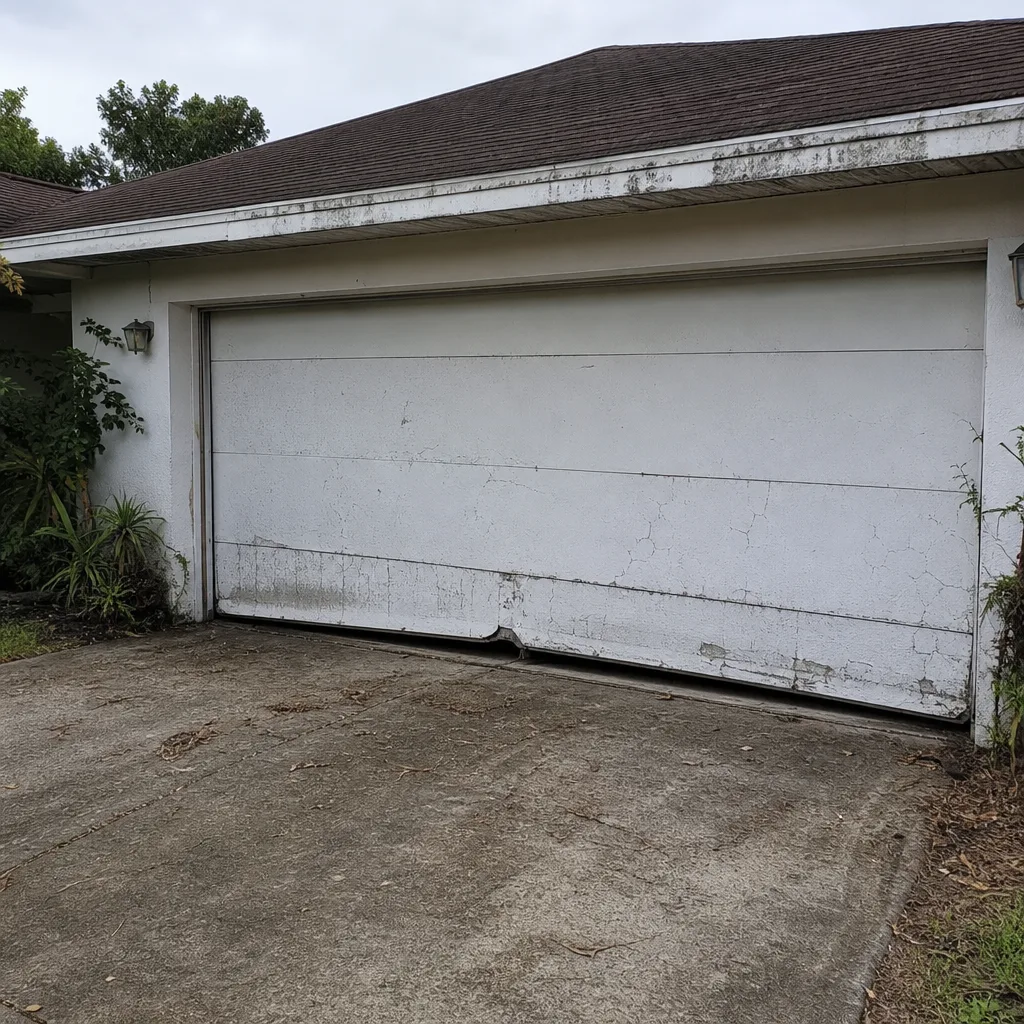 Before
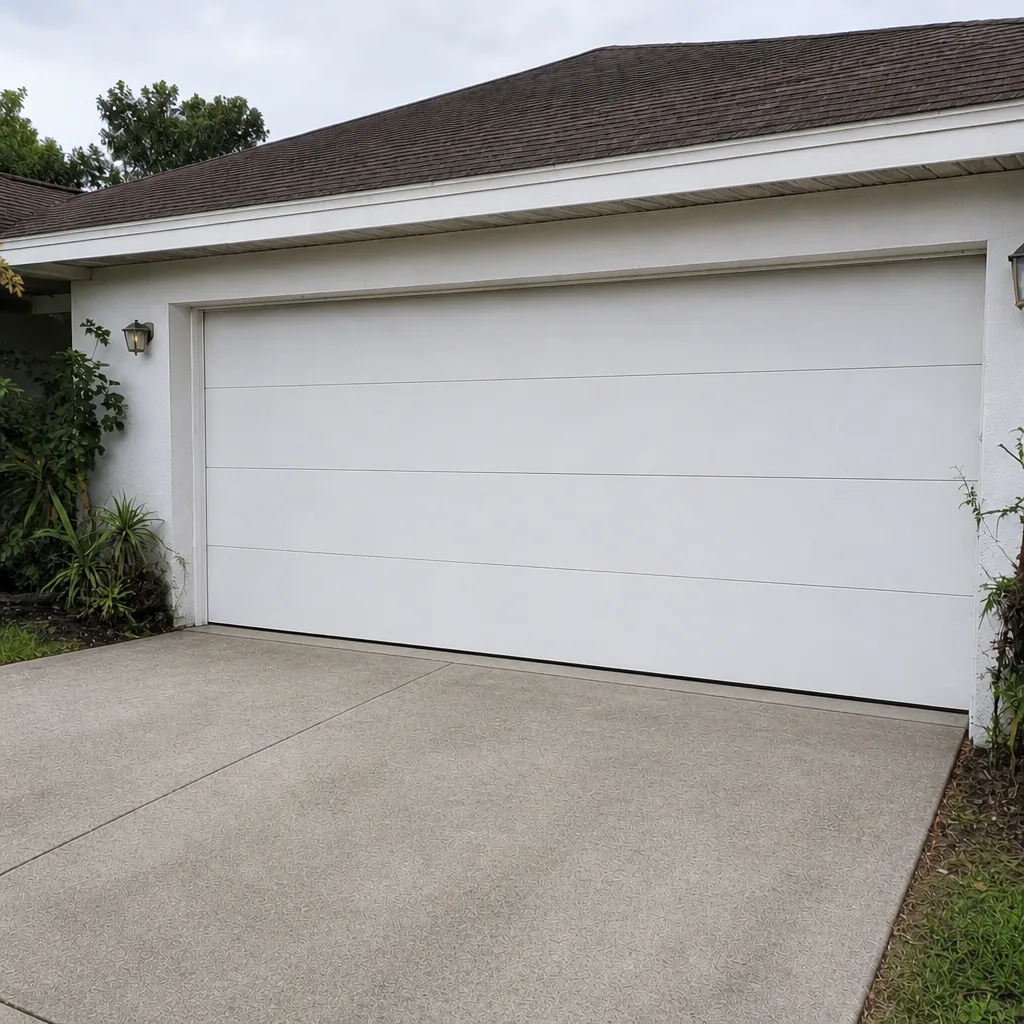 After
When to Call a Professional
Call a licensed garage door technician when the door won’t open or close, when a spring has snapped, when a cable has come off its drum, or when the opener runs but the door doesn’t move. Call when a door has dropped on one side or is binding in the tracks. Call when you’re replacing a door and need to confirm the product approval for the opening before you order. Call when you’re selling a Titusville home and the permit history on the door is unclear. And call before you handle anything involving the springs or cables, which are under high tension and genuinely dangerous. Garage Door Repair Titusville offers free estimates in Titusville – call (855) 337-1659. We answer 24/7. Fast dispatch from 7am to 7pm, Sunday through Friday.
Frequently Asked Questions
Usually yes, unless the replacement is a true like-for-like swap of an identical or approved-equivalent model with the same size, wind rating, and anchoring. Florida treats the garage door as a wind-rated building component, so any change to size, model, or rating generally needs a permit through the Brevard County Building Division. Confirm the classification with the building department before you order the door. Call (855) 337-1659 for an exact quote – estimates are free.
Replacement pricing depends on the door size, the model, and the wind rating required for the opening, and the permit adds a modest amount to the overall project. We give a written estimate after the measure, and the price is set by that written estimate and agreed before any work starts. We don’t give a number over the phone, because the door and the opening decide it. Call (855) 337-1659 for an exact quote – estimates are free.
A Florida product approval number is the documentation that a garage door meets the code for its intended use, at a specific size and wind rating. The building department uses it to verify the door is approved for your opening, and the door must be installed exactly as the approval specifies for that rating to hold. Without it, the door is not documented as compliant. Call (855) 337-1659 if you need help identifying the approval on a door you already own.
Yes, a retroactive permit is the defined path through the Brevard County Building Division, and it’s usually manageable when the door itself is sound and rated for the opening. You’ll need the product approval and the installation details for the model, and an inspection will confirm the install matches the approval. If the door isn’t rated for the opening, replacement is the correct fix. Call (855) 337-1659 to start with an assessment.
Yes, same-day service is what our emergency garage door service is set up for, including doors stuck open or closed and doors that pose a security risk. We answer 24/7, with fast dispatch from 7am to 7pm, Sunday through Friday. A call outside dispatch hours is booked into the next opening. Call (855) 337-1659 for an exact quote – estimates are free.
No. The written estimate is the price, and we quote and agree it before any work starts. If we find something during the job that changes the scope, we stop and talk it through before doing anything that wasn’t quoted, so you’re never looking at an invoice bigger than what you agreed to. Call (855) 337-1659 for an exact quote – estimates are free.
The Bottom Line
In Titusville, the garage door on your house is a wind-rated building component with a permit trail, not a cosmetic upgrade. A true like-for-like swap may not need a permit, but anything that changes the size, model, or wind rating does, and the product approval and installation details have to match the opening for the rating to hold. Pulling the permit up front is simpler than a retroactive permit later, and much simpler than a disputed insurance claim or a failed buyer’s inspection. When you’re ready to replace, repair, or document the door you already have, get the assessment first. Our technicians have up to 12 years of experience with LiftMaster, Chamberlain, Craftsman, and the major door brands, and we’ll tell you what the opening actually needs.
Call (855) 337-1659 for a free estimate. We answer 24/7. Fast dispatch from 7am to 7pm, Sunday through Friday.
Written by the team at Garage Door Repair Titusville.